A Moment That Changes Everything (Or Nothing At All)
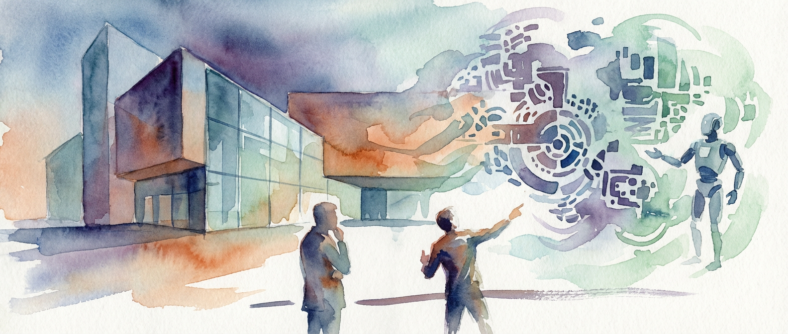
Last autumn, the Museum of Modern Art quietly made a decision that would echo through galleries worldwide. They added their first AI-assisted works to the permanent collection. Not a temporary exhibition. Not a research project tucked away in the archives. A permanent acquisition. The kind of thing we study fifty years from now in art history seminars, the moment students will circle in their textbooks and ask their professors: “Wait, when exactly did we stop knowing what art was?”
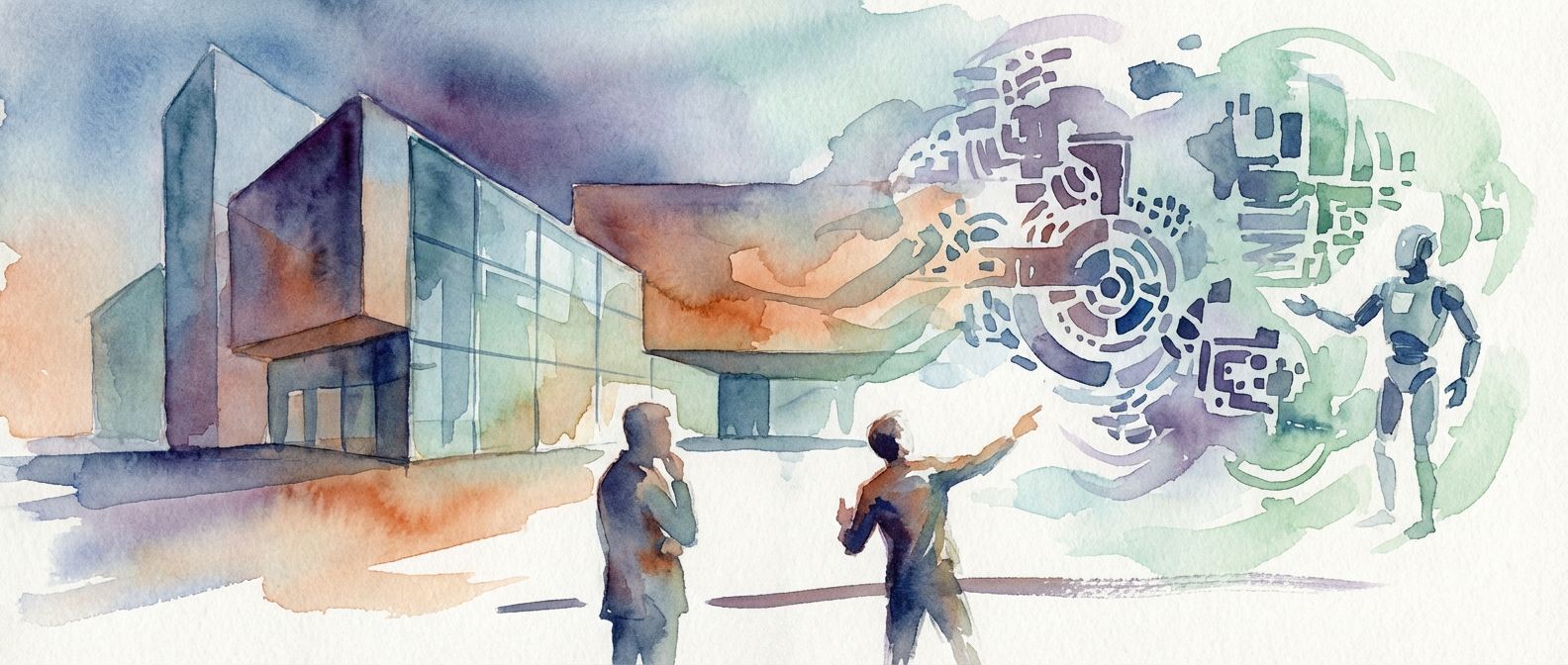
Here’s the thing about revolutions in art institutions: they rarely announce themselves clearly. They slip in sideways, the way abstraction did, the way photography did, the way video art did. Someone makes a bold move. People lose their minds. The discourse gets messy and fractured and absolutely essential. Then, eventually, the dust settles and we realize the museum was either prophetic or reckless, sometimes both simultaneously.
MoMA’s move feels like one of those moments. And I’m genuinely unsure which side of history it lands on.
The Exhibition That Forced the Issue
Let me set the stage. In 2022 and 2023, Refik Anadol’s installation “Unsupervised” drew over 800,000 visitors through MoMA’s doors. Eight hundred thousand people. That’s more foot traffic than most permanent exhibitions generate in a decade. They came to see something that looked like art, moved like art, provoked thought like art. The museum had a problem on its hands: how do you tell that many people they were looking at something that wasn’t art?
You don’t. You can’t. So instead, the institution did what institutions do when reality collides with their careful taxonomies. They adapted. They expanded the definition.
But here’s where it gets interesting. The popular reception to Anadol’s work created a peculiar paradox. Visitor numbers suggested genuine public appetite for AI-generated visual experiences. Yet at the same time, the art world proper was fracturing. In 2025, the Artists Rights Alliance AI Statement emerged with over 3,000 artist signatures demanding transparent provenance standards before any AI work entered institutional collections. That’s not a fringe complaint. That’s a profession speaking collectively.
The Numbers Behind the Controversy
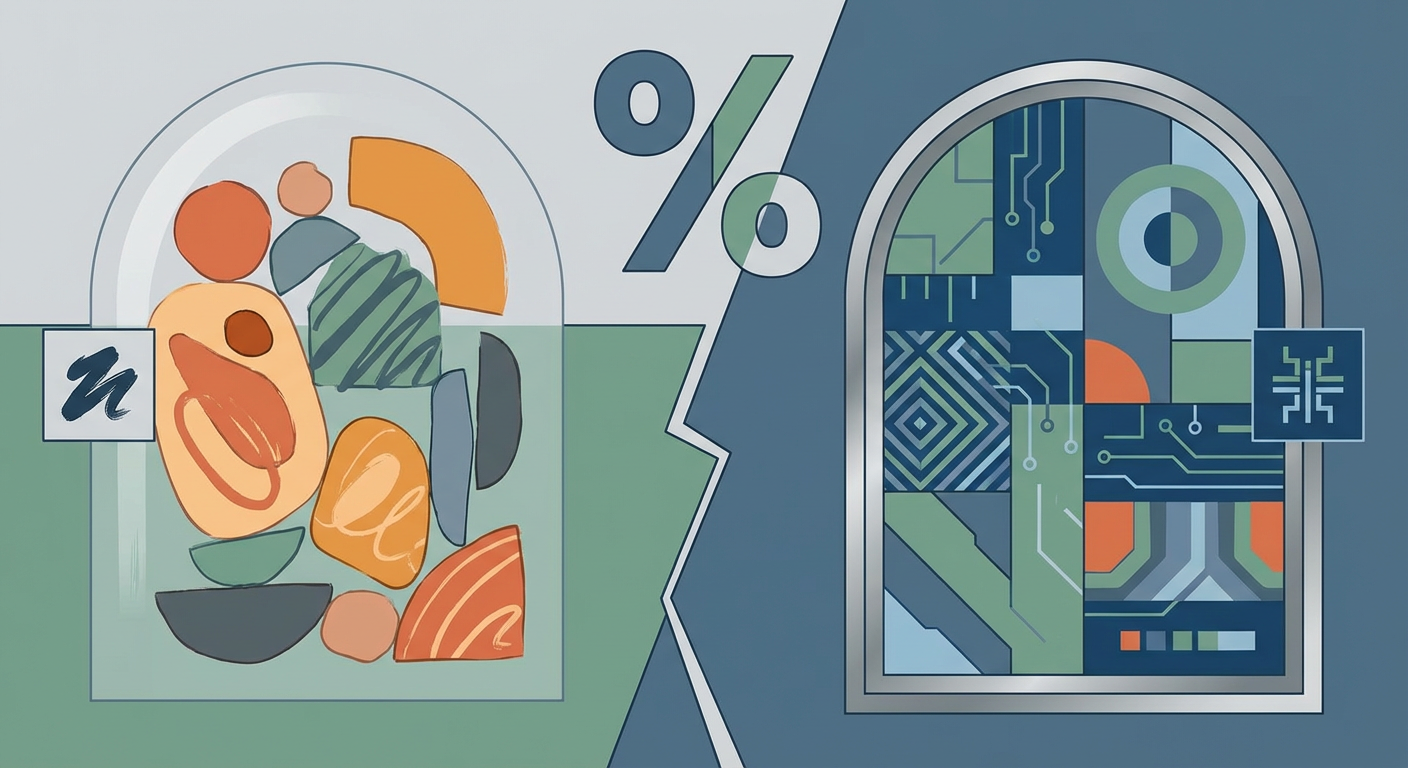
Survey data from the College Art Association in 2025 revealed something stark: 67 percent of practicing visual artists believe AI-generated work should occupy a separate category from human-made art in museum collections. Two-thirds. That’s not a slim majority. That’s a supermajority of the people who spend their lives making objects for galleries to potentially exhibit.
Meanwhile, the market tells a different story. The global AI art market hit 1.2 billion dollars in 2024. Market researchers project it’ll double by 2027. Money is moving. Collectors are buying. Galleries are showing. The economic momentum is undeniable.
So we have a genuine crisis here. Popular success, market growth, and institutional validation on one side. Professional artist resistance, categorical confusion, and legitimate questions about labor and authorship on the other. This isn’t a simple disagreement. It’s a collision between different ways of understanding value itself.
What We’re Actually Fighting About
Here’s what the debate really hinges on, beneath all the rhetoric. When you look at a human-made painting, you’re looking at the accumulated physical choices of an embodied person. Brushstroke pressure. Pigment mixing. The weight of intention meeting material resistance. That process matters. It’s not just decorative background information. It’s foundational to why we care about the object.
AI-generated work operates on completely different terms. There’s intentionality, certainly. Someone directed the prompt. Someone made aesthetic choices about parameters and outputs. But there’s no bodily knowledge embedded in the image. No five years of figure drawing studies. No midnight crisis where you destroy six failed canvases before discovering something true. The relationship between consciousness and object is fundamentally altered.
When MoMA chose to add these works to their permanent collection, they made a statement about that. They said: the process matters less than the result. They said: visual impact and historical significance outweigh the method of creation. They said: we’re reorganizing our thinking around medium categories rather than labor categories.
You can disagree with that judgment. You absolutely should, actually. But you should disagree with clarity about what’s being claimed.
The Museum’s Collection Policy as Prophecy
What strikes me most is how MoMA’s decision forces every other institution to confront their own assumptions. MoMA’s Collection Policy on New Media now includes a category that didn’t exist five years ago. By establishing this acquisition officially, they’re setting a precedent that radiates outward.
Other museums will follow. They’ll have to, eventually. Not because they’re convinced AI-generated art equals human-made art. But because the public appetite exists, the market exists, the demand for institutional validation exists. Museums respond to pressures, sometimes reluctantly.
Yet this doesn’t mean the artists who signed that open letter were wrong. Their concerns deserve space. The question of how we preserve intent and labor distinctions in museum documentation is real. The worry about whether AI training datasets included work without consent is real. The anxiety about whether this move devalues human artistic practice is real. These aren’t paranoid objections. They’re legitimate structural concerns.
Living in the Contradiction
Here’s what I think, sitting with this uncertainty. MoMA made a bold leap. Not a betrayal, exactly. Not wisdom clarified either. But a necessary collision between institutional categories and reality as it actually operates.
The decision probably shouldn’t have surprised anyone paying attention. Eight hundred thousand visitors don’t lie. Market forces don’t reverse. But surprise doesn’t mean approval. You can recognize a historical inevitability while still questioning whether it was the right move.
What happens next matters more than what happened last autumn. If MoMA and other institutions add AI works while also supporting artist advocacy, establishing transparent provenance standards, and maintaining human-made work acquisition budgets, maybe we’re navigating a genuine expansion rather than a replacement. If instead AI acquisition becomes the cheaper option, a way to fill walls without paying artists, then we’ll know the museum was choosing convenience over principle.
I’m watching. We should all be watching. This is the moment when we collectively decide what art institutions mean in an age of generative systems. The stakes are smaller than they feel right now and much larger than most people realize.
What’s your instinct here? Do you trust the institution to navigate this carefully, or do you think the trajectory is already set? I’d genuinely like to know where your certainty lands, because mine remains frustratingly, honestly undecided.