Category: Blog

The Glass Jaw of the Lower East Side Gallery Scene: A Critical Guide

For years, the Lower East Side gallery circuit has been sold as the messy, unpolished frontier of contemporary art—a place where grit and glossy ambition are supposed to rub up against each other. But let’s not kid ourselves. Too much of what gets called “edge” now is a tidy little performance of danger, a rebellion shrink-wrapped and slotted into a 400-square-foot white cube. I’ve been walking these blocks as a critic for over a decade, and in that time I’ve seen the neighborhood’s art ecology shift from an honest-to-god haven for experimentation into something closer to branded weirdness. This isn’t a funeral speech. It’s a field guide, for whoever still believes actual friction—not just its decorative cousin—can be had here.

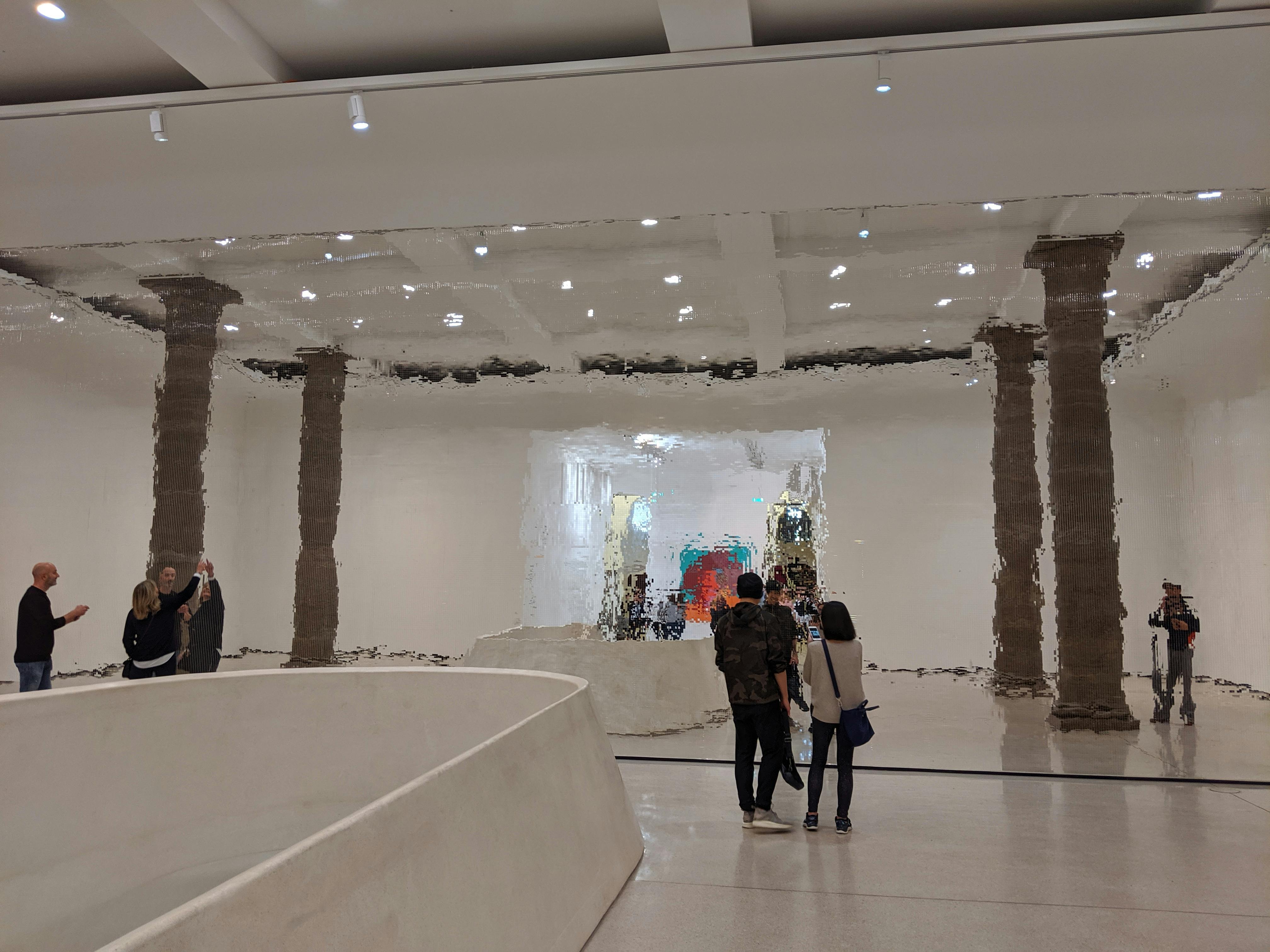
Visitors gathered inside a white-walled Lower East Side gallery space

The Geography of Hype

If you want to get the lay of the land, chuck the tourist map. The so-called gallery district is a loose, sliding perimeter around Orchard, Rivington, and Eldridge, but the stuff that actually matters bleeds into unmarked storefronts, former bodegas, basement rooms that never show up on the usual listings. The galleries worth your time aren’t the ones with the fattest names or slickest press releases. They’re the operations that treat space like a material, not just a box.

Look at the cluster near Dimes Square—and I say that phrase with a squint, because it’s turned into lazy code for a certain self-regarding cool. Galleries there moonlight as clubhouses, and the art can feel like a prop for the social hum. That’s not automatically a sin; art has always been partly about who you stand next to. But when the networking drowns out the work, you’re left with a stage set of cultural production. I’ve lost count of the openings where the crowd spills onto the sidewalk, backs to the paintings, faces lit by phone screens. If you actually want to look, show up on a Tuesday morning.

Detailed view of an abstract painting hung in a minimalist gallery

The Curatorial Gambit

A sharp curator can turn a shoebox into a cosmos. The best LES spaces get this: limitation forces invention. I’m thinking of a gallery on Henry Street—I won’t name it, because the moment I do it’ll be mobbed—that keeps mounting installations where the building’s crooked corners, its bare plumbing, its slanting floors become part of the visual argument. This is the polar opposite of the chilly white-cube neutrality that still rules Chelsea. Here, the architecture talks back.

For every place that pulls this off, though, a dozen fall back on the formula: a solo show by a young painter with a monster Instagram following, a press release thick with bargain-bin theory jargon, and a pricing strategy that seems built to stroke the buyer’s fantasy of discovery. The work itself can be competent, even pretty, but it rarely hazards anything. It’s art as a lifestyle accessory, and the market is sloshing with it. As a critic, I find it wearying. As a viewer, I find it a little insulting. A gallery’s job isn’t to decorate your apartment before you’ve even bought the piece.

The Artist as Entrepreneur

Step into any group show below Delancey and you’ll pick up the shift. Artists are supposed to be their own PR machines, content mills, brand managers. The resulting work often carries a weird, preemptive defensiveness, like it’s already bracing for the Instagram crop. I’ve encountered paintings that are basically color-field backdrops for selfies, sculptures that work better as photo ops than as physical things in a room. This isn’t a talent problem. It’s a failure of a system that demands constant, legible output. The artists who have stuck with me lately are the ones who refuse that tempo outright—who show rarely, and talk even less.

People observing a large-scale installation inside a contemporary art gallery

Money, Mouths, and the Myth of Accessibility

Let’s talk price tags. The Lower East Side used to be where you could snag a piece by an emerging artist for a few hundred bucks. Those days are gone. Real estate pressure has shoved galleries into a more nakedly commercial posture, and plenty now represent artists whose real market isn’t local collectors but the international fair circuit. The result is a lopsided reality: a gallery sits physically on a block still marked by tenement history and street vendors, but its economic center of gravity is entirely offshore. What you get is a scene that feels wide open—doors unlocked, free wine—but structurally shuts out the very communities that gave the area its cultural voltage.

I’m not romanticizing poverty. Artists need to eat. But when a gallery’s survival hinges on moving product instead of tending to hard, slow-burning practices, the whole ecology bends. You see it in the turnover: spaces launch in September with a splashy inaugural, then go dark by May when sales don’t materialize. Left behind: a trail of gutted artists and a landlord who’ll happily lease to a juice bar.

Where the Real Work Lives

Even so, pockets of stubborn integrity hang on. Look for the spaces with no website, or whose website is aggressively unhelpful. Look for galleries that host readings, performances, events with zero commercial upside. Look for the curators who show up at every opening not to glad-hand but to argue. I recently spent an hour in a tiny room on Broome Street, watching a single video installation loop a nine-minute piece about language loss. No price list, no guest book—just a folding chair and a pair of headphones. That encounter stuck with me longer than any of the polished, market-cozy paintings I’ve seen this season. The Lower East Side still has teeth. You just need to know where to bite.

FAQ: Navigating the Lower East Side Gallery Scene

What’s the best time to visit LES galleries without the crowds?

Weekday afternoons, Tuesday through Thursday, noon to 4 p.m. Opening receptions are social events, not viewing hours. If you want to actually see the art and maybe have a real conversation with a gallerist, go when the street is quiet and the staff isn’t running on fumes.

How can I tell if a gallery is worth my time?

Check how long the show runs. A space that keeps an exhibition up for four weeks or more is signaling commitment to the work, not just foot traffic. Read the press release with your guard up: if it leans hard on biographical hype instead of a clear, specific account of the art, be suspicious. And trust your own gut. If every object in the room feels interchangeable with a thousand other shows, leave.

Are there still affordable works for new collectors on the Lower East Side?

“Affordable” is a moving target, but yes. Look for group shows, works on paper, editions. Some galleries keep a flat file or a back room with pieces under a thousand dollars. The trick is to ask directly and without apology. A decent gallerist respects a buyer who’s curious and level about their budget. Avoid any space that makes you feel like a trespasser for asking.

Why do so many LES galleries feel temporary?

Because they often are. Short leases, pop-up economics, the grinding churn of real estate speculation—all of it means many spaces are designed to be fleeting. That can cut both ways: it forces urgency and inventiveness, but it also breeds a kind of rootlessness. The galleries that stick around are usually the ones with a curatorial spine that runs deeper than one season’s fad.

How Rent Increases Are Killing Underground Culture

Dimly lit basement venue with exposed brick and a small stage

I can still smell it. Not the sharp sweat of a packed floor or the cheap lager soaking into the floorboards—though that was part of the mix. It was the particular scent of a room that had absorbed decades of noise: feedback from jury-rigged amps, the crackle of a turntable, the low murmur of poets leaning into a single mic. That spot, a basement off Myrtle Avenue, shut down last month. The landlord pushed the rent up forty percent. Now it’s a poke bowl chain.

This isn’t a one-off. From New York to London, Berlin to every city where culture used to sprout through the pavement, rent hikes are executing a slow, methodical extinction. They’re not just shoving people out—they’re strangling the conditions that let underground scenes breathe in the first place. And when those scenes flatline, the city loses more than a few good nights. It loses the engine of its own creative relevance.

The Arithmetic of Disappearance

Let’s look at the numbers, because landlords sure do. A storefront in a formerly industrial neighborhood that rented for $2,000 a month in 2010 now goes for $8,000 or more. For a collective running a gallery, a club night, or a rehearsal room, that jump isn’t a hurdle—it’s a brick wall. Underground culture runs on razor-thin margins. Door fees stay low because the crowd is young, broke, or actively dodging the mainstream economy. A rent spike of even twenty percent can torch a year’s worth of programming.

The math gets grimier when you factor in the ripple effects. Artists and musicians who once lived walking distance from their creative spaces get pushed farther out. Commutes balloon to two hours. Late-night rehearsals become impossible when the last train leaves at midnight. The informal web of house shows, after-parties, and spur-of-the-moment collabs—the connective tissue of a scene—falls apart when nobody can afford to live within striking distance of anybody else.

Empty storefront with a for lease sign and faded posters on the glass

Who Gets to Make Noise?

There’s a fantasy that underground culture is resilient by nature, that it’ll always sniff out a new basement, a new warehouse, a new edge of the city to colonize. This fantasy skips over a blunt fact: land is finite. The edge keeps receding, and the spaces left behind are increasingly hostile to the kind of raw, loud, late-night activity that defines a real scene. New developments come with noise restrictions, neighbor complaints, and management companies that treat any deviation from the lease as grounds for eviction.

What fills the void isn’t silence. It’s a curated, sanitized knockoff of what used to happen on its own. Pop-up galleries bankrolled by real estate firms. Rooftop parties with corporate liquor sponsors. “Creative hubs” that charge desk fees and host panel discussions about disruption. These spaces borrow the aesthetics of the underground—exposed brick, neon signs, industrial lighting—but none of the danger. They’re safe for capital, which makes them deadly for art.

The Cultural Cost of Compliance

When a venue dies because of rent, the loss isn’t just physical. It’s archival. Scenes accumulate memory in specific places. A DJ’s first set, a band’s breakup fight, the night somebody painted a mural on the bathroom wall—these moments lodge in the architecture. When the space becomes a bank branch, that memory gets wiped. No plaque. No memorial. Just a higher property valuation.

This erasure has a chilling effect on the artists who stick around. If every attempt to build a space ends in displacement, the drive to try fades. The next generation stops seeing underground culture as a viable path. They see it as a hobby for trust-fund kids, something to do until the inevitable rent hike shoves them back to a day job. The pipeline from amateur to professional, from outsider to institution, dries up. And the city’s official culture—its museums, its concert halls, its biennials—starts to look thin, derivative, cut off from the source.

Abandoned warehouse interior with graffiti-covered walls and peeling paint

The Gentrification Feedback Loop

Here’s the cruel irony nobody in city hall wants to own: underground culture is one of the chief engines of gentrification, and it’s also its first casualty. Artists move into cheap, forgotten neighborhoods because they need room and can’t swing market rates. They open studios, throw parties, paint murals. The neighborhood gets a reputation. Travel blogs start buzzing. Developers take note. Rents climb. The artists get booted. The neighborhood hangs onto the reputation but loses the thing that built it.

This cycle is so predictable it’s practically a business model. Real estate firms now actively scout “emerging” cultural hotspots, knowing the presence of artists signals a coming wave of investment. By the time the first luxury condo breaks ground, the underground has already been shoved out. The developers cash in twice: first on the cultural cachet they did nothing to create, then on the rent they charge the people who show up to consume it.

Policy as a Weapon

City governments aren’t passive spectators here. Zoning laws, licensing rules, and noise ordinances get deployed with surgical precision against underground venues. A club that’s run quietly for years suddenly racks up code violations after a new residential tower goes up next door. A warehouse space loses its certificate of occupancy because the fire marshal decides the exits are too narrow. These enforcement actions are rarely random. They’re responses to complaints from new neighbors who paid a premium to live in a “happening” area and then demanded it stop being so happening.

The hypocrisy is staggering. Municipal branding campaigns sell cities as creative capitals, but the actual policy machinery treats creativity as a nuisance to be managed. Grants flow to established institutions with boards of directors, not to the DIY spots where that institutional talent was forged. Tax breaks go to developers who promise to include “arts components” in their buildings—a gallery in the lobby, a mural on the parking garage—while the real arts infrastructure rots under market pressure.

What Survival Looks Like

Against this backdrop, the continued existence of any underground space is an act of defiance. Some venues have turned to unconventional models: member-owned co-ops, nonprofit status, partnerships with sympathetic property owners. These tactics can work, but they demand a level of administrative slog that most artists didn’t sign up for. Running a space becomes a second job, then a first job, then the only job. The music stops happening because everyone’s too buried in grant applications.

Other scenes have gone fully nomadic, throwing one-night events in borrowed spots and communicating through encrypted channels to dodge heat. This approach keeps the energy of the underground—the thrill of the temporary, the secret—but it sacrifices continuity. You can’t build a community on pop-ups alone. Community needs stability, a place where people know they’ll find each other week after week. Without that anchor, scenes splinter into a series of disconnected moments.

The most radical survival strategy is also the simplest: refusal. Refusal to leave, refusal to comply, refusal to accept that a city’s cultural life should be dictated by real estate markets. Squats, long-term occupations, and rent strikes have kept essential spaces alive in cities from Amsterdam to São Paulo. These tactics carry legal risks and demand extraordinary solidarity. They’re not a scalable fix. But they remind us that the question of who controls space is, at bottom, a question of power, not economics.

What We Lose When the Basement Closes

Let me circle back to that basement off Myrtle Avenue. It wasn’t a pretty space. The sound system hummed. The bathroom flooded on a schedule. The ceiling was so low tall folks had to stoop. But in that room, I watched a teenager from Queens perform her first rap set. I saw a noise duo from Osaka blow out the PA and keep going. I saw a drag artist lip-sync a Nina Simone track while the audience wept. None of these moments turned a profit. None of them were scalable. They were just real—messy, unrepeatable, absolutely necessary.

When we talk about rent increases killing underground culture, we’re not just talking economics. We’re talking about the systematic elimination of spaces where people can be strange, loud, and unmonetized. The city left standing after the last basement closes will still have art. It’ll have plenty of art. Gallery openings with free wine, panel discussions with name-brand curators. But it won’t have a place where a kid with no credentials and no cash can plug in a mic and find out what she sounds like. And that loss is incalculable.

Frequently Asked Questions

Why can’t underground venues just move to cheaper areas?

They do, over and over. But the pattern of displacement follows them. Cheaper areas are cheaper because they lack infrastructure, transit, and a concentrated audience. When a scene relocates too far from the urban core, it loses the density of people that makes spontaneous culture possible. Eventually, there are no more cheap areas within reach. The city’s growth machine has swallowed them all.

Doesn’t gentrification bring benefits like safer streets and better services?

It brings those benefits mainly for the people who can afford to stay and pay the higher tab. For the artists, musicians, and longtime residents who get displaced, the improved services arrive just in time for them to lose access to them. A new park doesn’t do much good if you’ve moved an hour out. And the cultural loss isn’t offset by a cleaner sidewalk. A city’s soul isn’t measured in streetlight wattage.

What can individuals do to support underground spaces?

Show up. Pay the cover without grumbling. Buy drinks at the bar instead of pre-gaming. Throw cash at fundraising campaigns when venues face eviction. Write to city council members about zoning policies that penalize small arts spaces. And most of all, stop treating underground culture as a backdrop for a cute Instagram story. These spaces need active participants, not passive consumers.

Are there any cities doing this differently?

A few. Berlin has experimented with “creative space” designations that offer some protection, though those are under constant pressure from development interests. Cities like Montréal and Lisbon have seen grassroots coalitions win policy concessions through sustained organizing. But the global trend is clear: without strong legal protections, market forces will keep erasing the spaces that markets didn’t create.

Priced Out and Tuned Out: The Quiet War on Underground Space

The kick drum hits different when it’s fighting a landlord’s ceiling stamp. That mural on the corner—it reads like a eulogy once you know the building’s been sold for a teardown. Across cities, the rooms that cradled basement venues, artist lofts, DIY galleries, and after-hours clubs are winking out. Not because nobody showed up. Because the rent became a cudgel. This isn’t just a housing squeeze. It’s a slow-rolling cultural extinction, unfolding right now in the margins where actual creativity lives.

Dimly lit underground music venue with exposed brick and a small stage

The Price Tag on a Subculture

Underground culture has always sprouted in the cracks—literal and metaphorical. Abandoned warehouses, second-floor walk-ups with plumbing that weeps, storefronts on blocks developers forgot existed. These were the labs where sound, art, and identity mutated. But the economic logic that once made these spots cheap and disposable has flipped. Speculative real estate, luxury conversions, and a feverish push to wring profit from every square foot have turned those cracks into gold veins for a different class of tenant.

When a landlord can triple the rent by leasing to a chain coffee counter or a fintech office, the math is already done. Nobody loses sleep evicting a noise collective or a queer poetry night. The law shrugs. The culture doesn’t get a say. The result is a brutal, grinding squeeze: first the venue goes dark, then the artists scatter, then the neighborhood becomes a backdrop for someone else’s carefully staged “edge.”

The Domino Effect on Artists and Audiences

This isn’t just about losing four walls. It’s about losing the conditions that let a scene breathe. Underground spaces run on thin margins and thick trust. They need cheap rent to keep door charges low, to hand cash to performers, to tolerate the weird and the unvarnished. When rent lurches upward, that equation snaps. A $20 cover balloons to $40. An all-ages show mutates into a 21+ affair with a two-drink minimum. The room stops being a hub and starts being a transaction.

For artists, the hit is existential. Rehearsal rooms become a luxury. Live/work lofts get condemned or flipped. The painter, the DJ, the playwright—they don’t just lose a stage. They lose the friction of other artists nearby, the accidental hallway conversations that spark new work. They scatter to outer wards, to different cities, back to their parents’ basements. The scene atomizes. What lingers is a ghost culture, preserved only in Instagram geotags and nostalgic oral histories.

Graffiti-covered brick wall with a faded concert poster peeling away

The Gentrification Feedback Loop

Here’s the bitter joke: underground culture is often the bait. Artists move into cheap, disregarded neighborhoods. They open galleries, throw parties, paint murals. The area gets a name. It becomes “cool.” Then the developers arrive, slapping “artist lofts” on luxury condo brochures. The very culture that made the place magnetic gets priced out by the people who wanted to buy its aura. This isn’t an accident. It’s a predatory cycle, repeated from Bushwick to Boyle Heights to Hackney Wick.

The language of this displacement is slick and mean. “Revitalization” suggests the place was dead before anyone got there. “Up-and-coming” erases the people already living there. When a new music venue opens with exposed brick, Edison bulbs, and venture-capital backing, it’s often standing on the grave of a dozen DIY spaces that actually built the neighborhood’s sonic identity. The new spot books the same bands, but now the tickets cost double and the bar slings $14 cocktails. The vibe is curated, not grown. It’s a museum diorama of a living culture, and the original inhabitants aren’t on the guest list.

The Policy Vacuum

City governments play along. They celebrate “creative placemaking” in press releases while slashing arts funding and rubber-stamping luxury developments. Zoning laws get weaponized against live music venues through noise complaints from new neighbors who moved next to a club and then demanded silence. Licensing requirements become a labyrinth designed to exhaust small operators. There’s no real protection for cultural spaces because they aren’t seen as infrastructure. They’re seen as amenities—optional, expendable.

What would actual protection look like? Rent stabilization for cultural venues. “Agent of Change” principles that force new developments to do the soundproofing, not existing venues to shut up. Public investment in community-owned arts spaces, not just tax breaks for corporations that plunk a sculpture in the lobby. These aren’t radical fever dreams. They’re survival measures. But they require a political spine that treats nightlife and underground art as public goods, not nuisances.

Empty warehouse space with scattered musical equipment and graffiti on the walls

Resistance in the Margins

Still, people push back. In every city, there are collectives squatting in condemned buildings, organizing rent strikes, running illegal venues out of residential apartments. These aren’t romantic gestures. They’re acts of survival—exhausting, often precarious. The DIY ethos that built punk, hip-hop, and rave culture is now being applied to real estate. Mutual aid networks fund legal defenses. Sound systems go mobile, popping up under bridges and in forest clearings. The culture refuses to die quietly, but it’s getting forced into ever more transient, fragile forms.

This resilience is admirable, but it shouldn’t be necessary. The weight of preserving culture shouldn’t fall entirely on the people least equipped to fight landlords and city hall. Audiences have a role too. Showing up isn’t enough. Paying the cover isn’t enough. It demands political awareness: knowing who your council member is, showing up to zoning hearings, backing housing justice movements that keep artists and working-class communities rooted. The fight for affordable rent is the same fight as the fight for a living culture.

What We Lose When the Room Disappears

Let’s be blunt about the stakes. Underground culture isn’t just a consumer choice. It’s where formal innovation happens before the mainstream catches a clue. It’s where marginalized people build worlds that mirror their realities, unfiltered by market demands. It’s where political dissent finds a beat. When those spaces die, we lose more than a night out. We lose the means of producing new ideas, new sounds, new solidarities.

The music doesn’t stop. It migrates to headphones, to livestreams, to private playlists. But a culture that exists only in digital scraps is a diminished thing. It loses the friction of bodies in a room, the accidental conversations, the collective sweat. It becomes safer, more polished, more brand-friendly. And in that sanitization, something essential gets snuffed out. The underground has always been a physical proposition. Without physical space, it becomes a memory.

FAQ

Why can’t underground venues just move to cheaper areas?

They do, all the time. But displacement isn’t a solution; it’s a chase. Cheaper areas are often farther from transit, with thinner audiences and less infrastructure. Every move fractures a community. And the speculative shadow follows: wherever artists go, developers eventually tail them, repeating the eviction. Chasing cheap rent is a race with no finish line.

Isn’t this just the natural cycle of cities?

No. Calling it “natural” hides the deliberate policies—zoning, tax incentives, deregulation—that drive displacement. This isn’t an organic process; it’s engineered by capital and enabled by governments. There’s nothing natural about a city that can’t sustain the culture that gives it life. It’s a choice, and right now, the choice is being made against artists and communities.

What can I do, as an individual, to help?

Go to shows, yes. Pay for art, yes. But also: attend community board meetings where venue licenses are decided. Support organizations fighting for tenant rights and cultural space preservation. Be a decent neighbor—don’t move next to a music venue and then file noise complaints. Vote for candidates who treat arts and nightlife as essential infrastructure, not afterthoughts. The personal is political, and in this case, the political is spatial.

The underground isn’t a brand. It isn’t a playlist. It’s a room with a floor that shudders and a ceiling that drips and a landlord who wants it erased. The question is whether we let that happen, or whether we finally treat the spaces that make us feel something as worth a real fight. The rent is due. The culture is waiting.

The Price of Silence: When Rent Hikes Erase the Beating Heart of the Underground

The bass doesn’t thump the same when the room’s half-empty. Not because the sound system’s weak—because the bodies that should be soaking up and ricocheting that vibration are scattered across boroughs, priced out, or just too tired from hunting for a room they can actually afford. We talk about the death of scenes in hushed, nostalgic tones, as if it’s some natural decay. A generational shift. A change in taste. It’s not. It’s a line item on a lease agreement. It’s a calculated strangulation, and the weapon is the rent.

I’m not here to romanticize squalor. I’m not pining for rat-infested lofts with faulty wiring as some badge of authenticity. What I am saying, with absolute clarity, is that the economic violence of hyper-inflated rents doesn’t just displace people; it systematically dismantles the whole architecture of underground culture. It kills the rehearsal space, the DIY venue, the collective studio, the cramped apartment where four creative kids hot-bunk and dream up a new movement. It turns a city from a generator of raw, unruly art into a sterile museum of what it once produced.

A dimly lit, intimate music venue with a small stage and an attentive crowd, representing the fragile ecosystem of underground spaces.

The Ecosystem of a Scene Is Built on Cheap Square Footage

An underground scene isn’t a collection of finished products. It’s a messy, inefficient, and gloriously unprofitable ecosystem. It needs a food chain. At the base, you need cheap living spaces where artists, musicians, and writers can survive on part-time gig work and the fumes of ambition. Without that, you have no raw material. No one is moving to a city to hand over 80% of their income to a landlord and then, in their remaining 15 hours of free time a week, somehow conjure a groundbreaking noise project from their soundproofed luxury high-rise.

Above that, you need cheap, flexible spaces that aren’t optimized for maximum revenue per square foot. A concrete basement that can become a gallery for a month. A disused shop front that turns into a venue on weekends. A warehouse corner where a dance collective can rehearse without a booking manager calculating the hourly return. These spaces are the petri dishes. When the commercial rent is $10,000 a month, the experiment is over before it begins. The only culture that survives that filter is the kind with a business plan, an LLC, and a marketing strategy. That’s not underground culture. That’s a franchise waiting to happen.

Look at the history of any significant cultural flashpoint. The punk of ’70s New York. The techno of ’90s Berlin. The blog-house era of ’00s London. They were all fertilized by failure—the failure of the market to extract value from certain postcodes. Derelict industrial zones, abandoned housing stock. Art moved in because capital had moved out. The second the artists made a place desirable, the logic of the rent gap kicked in. The developers and the speculators followed the cool, bought it cheap, flipped it high, and evicted the very energy that gave the zip code its new price tag. It’s a parasite’s lifecycle, and we’ve perfected it.

An artist's chaotic studio space filled with paintings, brushes, and canvases, symbolizing the creative labor threatened by rising costs.

When the Space Disappears, the Risk Disappears With It

The most dangerous loss isn’t even physical. It’s psychological. Underground culture requires a margin of error. It needs a context where failure doesn’t mean financial ruin. If booking a room to try out a terrible new DJ set costs you $500, you don’t try out the terrible new DJ set. You book the safe one. You book the one with the Instagram following. The sonic risk-taking, the embarrassing missteps that lead to the accidental masterpieces—that all gets ironed out in the name of covering the overhead. The music becomes functional, the art becomes decorative, and the poetry becomes content.

This is how gentrification of space becomes a gentrification of the mind. The physical impossibility of congregating without a corporate sponsor or a trust fund seeps into the creative process itself. You start to self-censor. You begin to think, “Is this project rent-worthy?” instead of “Is this project true?” The answer to the first question is almost always “no,” so the project dies in a notes app or a hard drive graveyard. We are losing entire bodies of work not to a lack of talent, but to a lack of a damp, affordable room to be loud and wrong in.

The math is brutal and simple. A city where a one-bedroom apartment averages $4,000 and a makeshift studio space costs $3,000 a month is a city that has outlawed the amateur. And the amateur is the lifeblood of culture. The word itself comes from the Latin for “lover.” An amateur does it for love. When the cost of entry is a six-figure salary just to keep the lights on, love gets evicted. We are left with a professional managerial class of artists who are adept at grant-writing and networking, producing work that feels like it was designed in a LinkedIn thread.

The Erasure of the Third Space

We talk a lot about the “third space”—the place that isn’t work and isn’t home. For underground culture, this space is sacrosanct. It’s the bar that doesn’t mind if you nurse one drink for four hours while sketching on a napkin. It’s the all-ages venue that gives a teenager their first glimpse of a world outside their algorithm. It’s the record shop that functions as a non-commercial community notice board. These spaces operate on razor-thin margins. A 30% rent hike is a death sentence. The landlord doesn’t see a community hub; they see a suboptimal lease that could be converted into a bubble tea franchise or a ghost kitchen.

When these third spaces vanish, the casual collisions that spark new ideas vanish too. The cross-pollination between a painter and a guitarist, a dancer and a coder, a costume designer and a poet—these encounters aren’t scheduled in a co-working space. They happen in the sticky-floored hallway of a shared rehearsal complex at 1 a.m. They happen in the smoking area of a club that’s about to be turned into condos. You cannot network your way into a genuine scene. You have to loiter your way in. And loitering requires a physical location that doesn’t charge you by the minute for the privilege of existing.

A close-up of a musician's hands playing a synthesizer in a dark, intimate live setting, capturing the tactile, real-time nature of underground performance.

The Myth of the Digital Replacement

There’s a lazy retort to all this: “Just go online.” The idea that a digital space can replicate a physical scene is a lie sold by platforms that profit from your isolation. A TikTok trend is not a movement. A Discord server is not a mosh pit. The compression of a livestream cannot transmit the sub-bass frequencies that rattle your sternum and remind you you’re alive. The algorithm is fundamentally hostile to the underground because the underground is, by definition, illegible. It doesn’t convert to clean data points. It’s slow, weird, and built on human trust, not engagement metrics.

The online world is a mirror world, and it’s owned by landlords of a different kind. Mark Zuckerberg is just a digital rentier. You build your community on his land, and he charges you in data and attention, changing the terms of service whenever it suits his shareholders. A physical space, for all its vulnerabilities, was a site of potential sovereignty. A lease, however exploitative, gave you a key. You could lock the door and build a world inside. The cloud offers no such promise. You own nothing, and you can be deleted in a heartbeat. The erosion of physical space pushes us deeper into this digital feudalism, where every creative act must be legible to an ad-server.

What a Rent Strike on Blandness Looks Like

Despair is a luxury we cannot afford. The response to this spatial crisis has to be as creative as the culture it aims to protect. It’s not about waiting for benevolent developers; they are a mythological creature. It’s about a ruthless, pragmatic reclaiming of space through alternative economic models. We need to normalize the community land trust for nightlife. We need to talk about cooperative venue ownership as seriously as we talk about co-op housing. If five hundred people in a scene each put in $100, they have $50,000 to secure a lease on a long-term underground hub, taking it off the speculative market.

We also need to get comfortable with a certain illegibility again. Stop geo-tagging the secret spot. Stop feeding the content machine that turns a private gathering into a FOMO-inducing Instagram story that accelerates the hype cycle and alerts the rezoning vultures. The most radical act in a hyper-visible culture is to create something magnificent and let its location be a whisper, not a broadcast. A scene is a secret society, not a pop-up activation for a brand. We need to rebuild the walls, not the digital billboards.

The fight for underground culture is a land war. It always has been. The sound of a city dying isn’t silence. It’s the sound of a podcast being recorded in a room that used to be a venue. It’s the sound of a spin class where a free jazz ensemble once rehearsed. It’s the sound of a luxury apartment dishwasher humming where a zine library once stood. To fight back, we have to stop thinking of ourselves as content creators and start acting like what we are: a displaced population demanding the right to the city, one square foot of un-optimized, un-monetized, glorious chaos at a time.

Frequently Asked Questions

Why can’t underground scenes just move to cheaper neighborhoods?

This is the endless game of cat and mouse that exhausts and eventually annihilates scenes. When a creative community moves to a neglected area, they are the unpaid advance team for gentrification. Their presence makes the area “interesting,” which attracts cafes, which attracts developers, which attracts the very rent hikes they fled. The cycle is accelerating. There is no “outside” left to run to within a reasonable distance of a major city’s core. The constant uprooting prevents the accumulation of cultural memory and the building of long-lasting institutions. A scene that is always running can never build a home.

Isn’t this just nostalgia for a bygone era of cheap cities?

No, it’s a structural critique of a political choice. The high cost of urban space is not a weather pattern; it’s the result of specific policies: financialized housing markets, the gutting of public arts funding, zoning laws that privilege luxury development over community use, and the systematic deregulation that allows commercial landlords to warehouse empty storefronts rather than lower rents. Calling this nostalgia dismisses the fact that we have actively engineered a city hostile to non-commercial life. We don’t have to accept this as inevitable. We can change the zoning, we can tax the vacant units, and we can fund the spaces.

What can an individual do to help preserve underground spaces in their city?

First, show up and spend money. Buy the overpriced drink at the DIY venue. Pay the cover charge without complaining. Buy the merch directly from the artist instead of a fast-fashion knockoff. Second, defend the spaces politically. Pay attention to local zoning board meetings and city council votes on development. The forces shutting down venues rely on public apathy. A room full of people at a bureaucratic hearing is a terrifying and effective force. Third, practice discretion. Not every powerful cultural moment needs to be a geotagged post. Re-learn the value of a private, physical world that isn’t mediated through a screen. Protect the space by not turning it into free marketing for the real estate speculators who want to destroy it.

How Rent Hikes Are Smothering the Underground

DJ performing in intimate underground club

There’s a particular silence that settles when a venue closes. Not the held-breath pause before a beat drops. The flat, dead air of a room that once shook with bass and bodies and promise, now emptied out, waiting for the next tenant. Maybe a bank branch. A chain café. Maybe luxury condos with floor-to-ceiling glass that gaze down onto the block where the line used to snake past midnight. That silence is the sound of a rent hike doing its slow, thorough work.

I’ve been in New York long enough to watch entire ecosystems cave under the weight of lease renewals. DIY spots, scrappy galleries, after-hours clubs, artist lofts—they’re the lungs of the underground. Not some charming extra in the city’s narrative. They are the reason the narrative exists. And they’re being choked, one address at a time, by a real estate machine that cares about square footage, not sound. Profit, not pulse.

The Arithmetic of Displacement

Let’s talk mechanics. A neighborhood ripens, developers sniff returns, and suddenly the landlord who shrugged at a recording studio or a performance space discovers the property is “underperforming.” A venue paying $4,000 a month faces a new lease at $12,000. Then $18,000. The operators either find a way to pay—usually by scrimping on maintenance, stiffing artists, marking up drinks—or they fold. Most fold.

This isn’t gentle evolution. It’s a targeted purge. The forces that shoved artists out of SoHo in the ’80s and the Lower East Side in the ’90s now operate at warp speed in Bushwick, Ridgewood, patches of the Bronx. The pattern is so dependable it should be a civics lesson: musicians and painters colonize cheap industrial pockets, they conjure a scene, the scene lures bars and boutiques, landlords smell money, rents spike, artists get evicted, the cycle restarts farther from transit, with shoddier infrastructure and dicier leases.

Who Actually Pays the Price

It’s easy to frame this as a mournful story about creative types losing their clubhouses. But the bill lands on a much wider set of shoulders. Underground culture isn’t a luxury good. It’s public infrastructure. It’s where young Black and brown kids step onto a stage when mainstream doors stay bolted shut. Where queer communities carve out sanctuaries free of corporate sponsors and bouncers with dress codes. Where experimental noise, raw visual art, and radical politics get forged live, in front of actual humans, without algorithms or grant panels mediating the moment.

When a room like Silent Barn or Shea Stadium or the original Market Hotel goes dark—or moves, or gets renovated into something unrecognizable—the loss isn’t just walls. It’s a snapped lineage. A 19-year-old who might have caught a life-altering Tuesday-night set in a warehouse now has nowhere to go except a bar with a Bluetooth speaker and a $16 cocktail. The transfer of subcultural knowledge halts. Scenes don’t regenerate from thin air. They need four walls, working outlets, and a landlord who won’t speed-dial the precinct when the kick drum hits at 11 p.m.

Graffiti-covered wall outside shuttered venue

The Myth of the “Next Neighborhood”

A soothing fiction drifts through gentrification talk: that artists are natural nomads, displacement is just the creative cycle’s rhythm, the scene will always find new soil. That’s a fantasy peddled by people who’ve never hauled a PA up four flights in an unzoned walk-up with zero fire exits.

The truth is that “next neighborhood” is running out. The geographic margins where underground culture can afford to breathe are contracting. Rents in zones that were the last frontier a decade ago are snapping at the heels of the rest of the city. And the spaces that do pop up in these distant outposts operate on borrowed months, with temporary leases and a permanent dread of 311 complaints from new neighbors who arrived last Tuesday and already resent the noise.

The Commercialization of Cool

All the while, the city’s cultural branding feeds on the very current it’s electrocuting. Tourism ads splash graffiti murals and warehouse parties to sell the myth of New York as a creative mecca. Real estate listings brag about proximity to “nightlife” and “artist communities” that the new development itself helped flatten. It’s a grisly form of cultural cannibalism: eat the scene, then hawk the bones as artifacts.

Venues that survive often get pushed to professionalize until their edges are sanded smooth. They morph into event spaces for brand activations. They install VIP sections. They book safer acts, raise covers, start to feel like the kind of joint they were built to oppose. This isn’t a moral failure on the part of the owners. It’s survival. But what it means is that the underground becomes an aesthetic, not a discipline. A costume party, not a practice.

What a City Loses When the Basements Go Silent

There’s a breed of knowledge that only lives in low-ceilinged rooms. You can’t stream it or archive it or nail it in an Instagram post. It’s the knowledge of how to hold a restless crowd, how to piece together a sound system from salvaged parts, how to defuse a fight between two artists without dialing the authorities. This knowledge passes from one cohort to the next not through syllabi but through sheer closeness. When the spaces disappear, the chain snaps.

I think about the women and nonbinary people who learned to run sound boards in DIY holes because nobody else would teach them. The DJs who shaped their style facing 50 people who showed up not to be seen but to hear something unpolished and new. The visual artists whose first installations were built on no budget in rooms that smelled of stale beer and gamble. None of this is nostalgia. It’s the supply chain of cultural production. Without it, the city’s output turns hollow, frictionless, risk-free.

Empty performance space with stage lights

What Can Actually Be Done

I’m not interested in gauzy calls for solidarity. The moment demands action with teeth. Here’s what that looks like.

1. Push for commercial rent control. The fight around rent stabilization has aimed almost entirely at residential tenants. That’s essential but not enough. Small businesses and cultural spaces need similar shields. Without caps on annual hikes, no Kickstarter marathon can keep a space afloat for the long haul. This is policy trench warfare, and it means leaning on city and state officials who’ve gotten too cozy with developer cash.

2. Patronize with purpose. Hit the shows. Buy the drinks. Kick into the emergency fundraisers. But also absorb the fact that individual spending alone won’t solve a structural crisis. The point is to keep the doors open long enough for the political ground to move.

3. Interrogate your own footprint. If you moved to a neighborhood because it was “edgy” or “real,” ask yourself what you’re doing to preserve the conditions that attracted you. Are you backing the venues that pre-date your lease? Showing up at community board meetings to advocate for cultural spaces? Or are you treating the scene as scenery?

4. Fund the legal defense. Many spaces operate in a legal gray zone, not from some outlaw romance but because the city’s zoning and licensing rules make running an all-ages venue almost impossible by the book. Organizations that give pro bono legal backup to DIY spots are doing lifesaving work. They need cash.

A Note on Nostalgia

It would be simple to turn this into a eulogy for a vanished New York. I won’t. The point isn’t mourning—it’s intervention. The venues still breathing, the ones clinging to month-to-month deals and sheer nerve, need more than wistful memories. They need a coordinated shield. Tenants’ unions, legal advocacy, a cultural shift that sees nightlife not as a nuisance to be managed but as a vital organ of the city’s identity.

Underground culture has always been tough. It’s weathered police crackdowns, recessions, a pandemic. But toughness isn’t limitless. At some threshold, the arithmetic turns brutal. The rent comes due, the lease isn’t renewed, and another room goes quiet. The question isn’t whether we’ll mourn those rooms. It’s whether we’ll fight for the ones still standing.

Frequently Asked Questions

Why are so many independent music venues closing?

The main engine is sharp commercial rent increases. As neighborhoods gentrify, property owners jack rents to market rates—or well above—making it impossible for venues with razor-thin margins to survive. Added pressures include noise complaints from new residents, climbing insurance costs, and licensing obstacles that favor bigger, deeper-pocketed operators.

How does the loss of underground spaces affect established artists?

Major artists often trace their roots to underground scenes. Without small venues and DIY rooms, there are fewer places for emerging talent to experiment, build a following, and sharpen their craft. Over time, this shrinks the pipeline of adventurous work feeding into the wider culture, leading to a blander, more risk-averse artistic landscape.

What is the difference between a DIY space and a commercial club?

DIY spaces are usually run by artists or collectives rather than business investors. They emphasize community access, low ticket prices, all-ages entry, and artistic freedom over profit. Commercial clubs are legally zoned for entertainment, hold liquor licenses, and operate with a clear profit motive. Both fill important roles, but DIY spaces are far more exposed to displacement because they often lack formal leases and capital reserves.

Can’t artists just move to cheaper cities?

Some do, and scenes have sprouted in places like Philadelphia, Detroit, and Baltimore. But the density of labels, media outlets, booking networks, and audiences in New York creates a gravitational pull that’s tough to replicate. More fundamentally, the cultural loss isn’t only about individual artists; it’s about the collective memory and infrastructure that takes decades to build and can be wrecked in a single lease cycle.

The Death Rattle of the Underground: How Rent Is Silencing Our Creative Cities

Empty, graffitied warehouse interior with peeling paint and dusty floors

There’s a silence that settles over a city when its underground finally chokes to death. Not a peaceful quiet—more like a hollow where a heartbeat used to kick. We like to tell ourselves stories about renewal, about neighborhoods breathing in and out in some natural rhythm. But what’s happening right now isn’t a cycle. It’s a straight-up extinction. The mechanism is brutally simple: rent. The outcome is catastrophic. Across cities everywhere, the spaces that birthed radical art, queer performance, punk, techno, experimental theater, and real community are getting bulldozed by a real estate logic that sees nothing but square footage. Soul never enters the equation.

I’m not talking in metaphors. I’ve stood in the chalky dust of demolished DIY venues. I’ve watched collectives dissolve—not because the fire went out, but because the lease did. The underground isn’t a vibe you can hashtag. It’s a material fact. It demands walls, a floor, a door that actually locks, a tolerance for feedback at 2 a.m., and a landlord who doesn’t triple the rent the second a neighborhood gets labeled “interesting.” That landlord is folklore now. In their place sits an algorithm, a portfolio, some corporate entity that treats cultural production like a prelude to dispossession. Artists move in, stitch a place together, make it desirable, and then get evicted to clear the path for the wealth they accidentally generated. The gentrification ouroboros, swallowing whole the very culture that makes a city worth the air you breathe.

The Real Estate Parasite

Let’s not soften this. Underground culture runs on low-cost, often technically illegal or semi-legal spaces. Basements. Dead factories. Abandoned storefronts. Warehouses in industrial dead zones nobody wanted. For decades these spots survived because the market had zero use for them. They were the cracks in the capitalist façade, and inside those cracks we built entire worlds. Queer ballrooms. Hardcore shows. Avant-garde galleries. Printmaking studios full of ink-stained hands. These weren’t hobbies. They were lifelines, laboratories for identity and resistance. They incubated the ideas that—stripped of context, stripped of danger—later get sold back to the mainstream as fashion, music, art.

Now the market has found a use for every last crack. “Highest and best use,” a real estate appraisal doctrine that values property solely on its maximum profit potential, has become a blunt weapon. A building that houses a scrappy all-ages music venue is, by this logic, “underutilized” if you could stack luxury condos there instead. No spreadsheet cell exists for cultural worth. No line item for community cohesion. The reasoning is totalitarian in its simplicity: if it doesn’t squeeze out maximum revenue, replace it. That’s how you get the absurdity of developers buying a building with a historic club, evicting the club, and then marketing the new apartments as “living in the heart of a lively cultural district”—a culture they just murdered. It’s a necrophiliac economy, feeding on the corpse it created.

Exterior of a closed-down independent music venue with a faded sign

The Liquidation of Risk

Underground art is inherently dangerous. It’s loud, messy, experimental, often transgressive. It requires permission to fail spectacularly. It needs rooms where a performance can be a glorious disaster and nobody loses their life savings. The financialization of real estate has made that kind of risk impossible. When a month’s rent on a studio equals a middle-class salary, nobody can afford to stumble. The result is a flattening sameness. Galleries show only what sells at art fairs. Clubs book DJs with the biggest Instagram followings. A space that once crackled with chaotic possibility turns into a pipeline for content-friendly, brand-safe product.

This isn’t some natural drift. It’s engineered. Landlords and developers actively court “creative” tenants as a placeholder strategy. They dole out short-term leases to pop-ups, galleries, event organizers, knowing full well those tenants will be gone in two years—once the land value has ripened enough for redevelopment. The culture gets used as a pawn, a temporary amenity to lure the higher-paying tenants who will eventually shove it out. We are the unpaid gardeners of someone else’s profit, planting the flowers they’ll later pave over.

Look at artist-run collectives. Groups that pool their thin resources to rent a shared studio or project space. They sign personal guarantees, pour sweat into renovations, build a community from the floorboards up. But their leases are fixed-term; their cultural impact is long-term. When the lease ends, the landlord eyes a now-attractive property with better foot traffic and jacks the price beyond any collective’s means. The group scatters. The energy dissipates. The city loses another node in its creative network. The collective’s only crime was being too successful at making a place matter.

The Queer Underground Under Siege

This crisis doesn’t land evenly. Queer and trans spaces, especially those serving people of color, have always operated on razor-thin margins and in the shadows. They exist because mainstream gay bars and institutions are so often unwelcoming or financially out of reach. These underground parties, performance nights, community hubs—they aren’t extras. They’re essential sites of identity formation, mutual aid, political organizing. Yet they’re the first to get erased when rents climb. A developer sees a “warehouse party” as a nuisance; we see a sanctuary. When that sanctuary gets demolished for a glass tower with a curated “street art” mural in the lobby, the violence is complete. The aesthetics of the underground get harvested while the bodies that created them are expelled.

I remember a basement venue in Brooklyn—no name, the dead deserve their peace—that hosted some of the most electrifying queer punk shows I’ve ever witnessed. It was swamp-hot, probably a fire hazard, and completely ours. The landlord tolerated it because the building was otherwise a hollow shell. Then the neighborhood “turned,” and a new owner swallowed the block. Within months the venue was shuttered, the basement gutted, a “bespoke co-living space” rising in its place. Its marketing materials featured images of “edgy” young people in leather jackets. The people in the photos weren’t from the scene. They were models. The actual scene had already scattered to cheaper outer boroughs, or out of the city entirely.

Neon sign in a dark, empty room reading 'NO VACANCY'

The Policy of Displacement

We have to stop pretending this is a natural disaster. It’s a policy choice, made over and over. Zoning laws, tax incentives, the total absence of commercial rent control—all of it conspires to make underground spaces economically unviable. The city could choose to protect cultural venues through land trusts, subsidized leases, heritage designations that weigh cultural significance, not just architectural age. Instead we get platitudes. A mayor cuts a ribbon at a new “arts district” that’s really just a developer-driven mall with a sculpture in the courtyard, while actual artists get evicted two blocks away. The hypocrisy could choke you.

Berlin, a city that sold itself on its underground, has seen a particularly brutal corporate takeover. The legendary clubs born from the Wall’s collapse are now hemmed in by luxury condos whose new residents complain about the noise. Venues that defined the city’s post-Cold War identity are getting bought out by investment firms. The Berlin government has made some gestures toward protecting “club culture,” but the market moves faster than any bureaucracy. For every club that snags a cultural designation, ten smaller, weirder, more necessary spaces vanish without a trace. The city is hardening into a theme park of its former self, a place where tourists come to consume a nightlife that no longer exists in its authentic form.

The same playbook runs in London, Los Angeles, Toronto. The geographies shift but the pattern is identical. Artists and subcultures get treated as an extractive resource. The city siphons their creative output to fuel its “global city” branding while starving the very conditions that make that output possible. It’s cultural strip-mining, plain and simple.

What We Lose When We Lose Space

The loss isn’t abstract. It’s measured in the bands that never form, the zines never printed, the movements never launched. The underground is the training ground for the entire culture industry. Without it, we get a monoculture of nepotism and trust-fund kids, because they’re the only ones who can afford the early-career risks. Working-class voices, the genuine weirdos, the dissenters—they get squeezed out. The city becomes a playground for the rich, and its art becomes a mirror of their concerns. Boring. Decorative. Safe.

There’s a psychic toll too. A city with no underground is a city with no secrets, no chance of stumbling into something that rearranges your insides. It’s a fully legible, fully monetized space. Every square foot carries a price tag. The mystery drains away. Nighttime becomes just another consumer experience, managed by apps and door policies. The underground was the antidote to that—a place where money wasn’t the primary mediator of human connection. When we lose that, we lose a piece of our collective imagination.

FAQ: The Underground and the Housing Crisis

Isn’t this just the natural cycle of cities? Artists move to cheap areas, make them cool, and then move on.

That story is a convenient myth that blames artists for a process driven by capital. Artists don’t “make” neighborhoods unaffordable; speculators and developers do. The so-called cycle is a deliberate extraction strategy. Artists get used as a low-cost beautification crew, their presence leveraged to attract investment. When the investment floods in, the artists are purged. This isn’t renewal. It’s exploitation on repeat. Actual renewal would mean artists having secure, permanent space—not being nomadic pawns in a real estate game.

Can’t underground culture just move online?

No. The digital sphere is a supplement, not a replacement. A livestream is not a mosh pit. A Zoom reading is not a cramped, overheated bookstore. The underground is defined by embodied co-presence, by the risk and thrill of physical assembly. Besides, the internet is heavily mediated by corporate platforms that censor, algorithmically flatten, and monetize everything. The underground requires spaces beyond the reach of platforms—places where people can experiment without surveillance or content guidelines. A city without physical underground spaces is a city where dissent and strangeness can be switched off at the server level.

What can someone do if they are not an artist or a policy maker?

Your body and your wallet both matter. Go to DIY shows. Buy art from independent spaces. Donate to venue legal defense funds when they fight eviction. Show up at zoning board meetings and speak against developments that erase cultural spaces. Most of all, resist the logic that treats culture as an amenity. When a new building advertises itself in a “lively arts district,” ask what arts it’s actually supporting. Be a loud, inconvenient defender of the spaces you love. The underground survives on solidarity, not sentiment.

Building Against Oblivion

The fight isn’t over, but it demands a shift in consciousness. We have to stop seeing underground spaces as provisional, as temporary placeholders until the “real” city arrives. They are the real city. Every policy, every lease, every development plan must be interrogated with a single question: does this make room for the weird, the loud, the unprofitable? If the answer is no, it’s an act of cultural demolition.

There are models of resistance. Community land trusts can yank cultural spaces out of the speculative market permanently. Artist cooperatives that buy their buildings—some have pulled this off in San Francisco and Berlin—offer a path to permanence. “Meanwhile lease” programs can turn vacant commercial properties into temporary cultural spaces, but these have to be a bridge to lasting solutions, not a substitute. The real move is to decommodify the spaces culture needs to thrive. Treat them as public goods, like libraries or parks, not as profit centers.

The underground isn’t a luxury. It’s a civic necessity. It’s where a city dreams, rebels, becomes more than a stack of transactions. When we let rent kill it, we’re not just losing parties or shows. We’re losing the mechanism by which a city regenerates its soul. The silence creeping over our neighborhoods is the sound of that soul getting priced out. We have to be louder.