Page 17 of 19

The Festival Circuit Is Broken: Why 2026 Proves Independent Cinema Lost Its Way

The Numbers Game Has Consumed Everything

When Sundance Film Festival announces it received more than 17,000 submissions for its 2026 edition, the response should not be celebration. This massive number represents the crisis plaguing independent cinema today. The sheer volume masks a deeper problem: quantity has replaced quality as the primary metric of success.

Festival programmers now spend more time managing logistics than curating vision. The flood of submissions creates an impossible filtering process that inevitably favors familiar names, safe bets, and projects with existing industry connections. True discovery becomes statistically improbable when human eyes cannot reasonably evaluate such massive input.

This explosion doesn’t reflect creativity but desperate market saturation. Filmmakers submit everywhere because they must. The festival circuit has transformed from a launching pad into a lottery system where genuine artistic merit competes against marketing savvy and networking prowess.

Streaming Killed the Festival Star

The introduction of day-one streaming deals at major festivals destroys the communal experience that once defined independent cinema. When distributors can secure digital rights before audiences even see films projected in darkened theaters, the festival becomes little more than an elaborate trade show.

This shift prioritizes algorithm-friendly content over challenging artistic statements. Streaming platforms want safe, digestible entertainment that fits their recommendation engines. The result is a homogenization of independent voices, all speaking in the same platform-approved dialect.

Festival programmers now consider streaming potential alongside artistic merit. This dual consideration corrupts the selection process. Films are chosen not just for their quality but for their marketability to platforms that prioritize engagement metrics over cultural impact. The tail wags the dog, and independent cinema suffers.

The A24 Effect and Its Dangerous Imitators

Every studio now desperately attempts to replicate A24’s prestige independent model, creating a narrow definition of what constitutes worthy cinema. This imitation game has produced a monotonous landscape where quirky aesthetics and calculated eccentricity replace genuine innovation.

The A24 template rewards specific visual styles, narrative structures, and thematic concerns. Studios greenlight projects that feel like A24 films rather than supporting unique voices. This creates an independent cinema monoculture that paradoxically stifles the independence it claims to celebrate.

Young filmmakers have internalized these expectations, crafting works designed to fit predetermined molds rather than expressing personal vision. The result is technically proficient but spiritually hollow cinema that checks boxes without challenging assumptions or expanding possibilities.

Documentary Gold Rush and International Window Dressing

The documentary genre’s commercial renaissance, driven primarily by streaming demand, has created perverse incentives that compromise journalistic integrity. Platforms want documentaries that generate social media conversation and binge-worthy engagement, not necessarily those that serve their subjects or explore complex truths.

This commercialization pressures documentary filmmakers to prioritize entertainment value over investigative rigor. Complex issues get simplified into digestible narratives. Nuance disappears in favor of clear heroes and villains that audiences can easily process and share.

Similarly, the increased appetite for international cinema following recent Academy Award victories has led to tokenistic programming that treats foreign films as exotic curiosities rather than artistic equals. IndieWire film criticism frequently notes how festivals now include international selections primarily to demonstrate diversity rather than genuine artistic appreciation.

This superficial internationalization often favors films that translate easily for English-speaking audiences, potentially overlooking more challenging or culturally specific works. The result is a filtered version of global cinema that confirms rather than challenges Western perspectives.

The Death of Film School and Rise of Digital Dilettantes

Declining film school applications signal a shift in how emerging filmmakers approach their craft. YouTube tutorials and TikTok aesthetics now influence cinematic language more than rigorous academic training or historical knowledge.

This democratization appears positive on the surface but creates serious problems. Technical knowledge without theoretical foundation produces filmmakers who can operate cameras but cannot articulate vision. They master tools without understanding tradition, craft without context.

The result is a generation of creators more comfortable with social media metrics than cinematic grammar. They optimize for viral moments rather than sustained narrative development. Their work often displays impressive technical competence while lacking the deeper understanding that comes from studying cinema as an art form.

Festival programmers increasingly encounter submissions that demonstrate technical proficiency but lack the intellectual framework necessary for meaningful artistic expression. The gap between ability and understanding widens each year.

These trends converge to create an independent cinema ecosystem that prioritizes marketability over artistry, familiarity over innovation, and metrics over meaning. The question facing the industry is whether festivals can reclaim their role as cultural gatekeepers or will continue facilitating this artistic decline. What do you think: can independent cinema recover its soul, or has commercial pressure permanently altered its DNA?

Film festivals and independent cinema in 2026: Retrospective and legacy writing

Let me break down what’s actually happening here, step by step. Film festivals and independent cinema in 2026 deserve more careful attention than the typical coverage provides, and the reason isn’t complicated once you know where to look.

Here’s the key thing to understand: streaming deals are now offered on day one of festival screenings. The situation is both elegiac and celebratory, acknowledging contributions without sanitizing the messier realities. This read is also the more accurate one once you examine what the evidence actually shows.

Film festivals and independent cinema in 2026: Retrospective and legacy writing

The Writing: Setting the Terms

Sundance received over 17,000 submissions for the 2026 festival. This isn’t just a data point, it’s the structural condition that makes everything else in this analysis make sense. Context like this doesn’t age quickly. The conditions that produced it have been building for years, and the convergence is what makes the current moment distinct from previous moments that looked similar from a distance.

Streaming deals are now offered on day one of festival screenings.

The A24 model of prestige indie cinema is being widely imitated across studios. IndieWire film criticism has been tracking this dimension consistently.

What makes this moment worth examining carefully isn’t the novelty but the confirmation. The underlying dynamics have been visible for some time. What’s new is that they’ve reached a threshold where ignoring them requires active effort rather than simple inattention. That threshold crossing is the event, not the underlying movement that produced it.

The documentary genre is experiencing a commercial renaissance driven by streaming demand. This is part of the same picture. These elements don’t exist in separate silos, they’re reinforcing conditions in the same structural shift.

The Obituary Frame: The Analysis

The documentary renaissance is where the analysis gets more specific. The surface reading is accessible and not wrong, but it misses the mechanism. And the mechanism is where the practical insight lives. The useful question to ask here is about international cinema gaining English-language audiences post-Parasite Academy wins. Understanding this mechanism changes what you do with the information.

Film school applications are declining as YouTube and TikTok offer alternate paths.

The skeptical counterargument deserves honest engagement: prior moments with similar surface characteristics didn’t produce the outcomes that seemed logical at the time. That history is real. What’s different now is film school applications declining as YouTube and TikTok offer alternate paths. This isn’t a minor variable, it’s the infrastructure condition that previous cycles lacked. Infrastructure changes tend to be persistent in ways that sentiment-driven changes are not. Sundance Film Festival is one source tracking this dimension with the rigor it requires.

There’s also a distributional question that often goes unaddressed in coverage of film festivals and independent cinema in 2026: who captures the value created by these shifts, and who absorbs the disruption costs? The aggregate picture can be positive while the distribution is uneven in ways that matter enormously to specific participants. Keeping that distributional lens in view is part of reading the situation clearly rather than simply optimistically.

Implications: What This Means If You Care About Artistic legacies

The implications of film festivals and independent cinema in 2026 extend beyond the immediate context. Sundance’s 17,000+ submissions combined with the structural conditions described above creates a situation where adjacent fields, decisions, and communities are affected in ways that aren’t always visible from inside the primary story. The second-order effects are frequently more important than the first-order ones, and they’re where careful attention pays the highest returns.

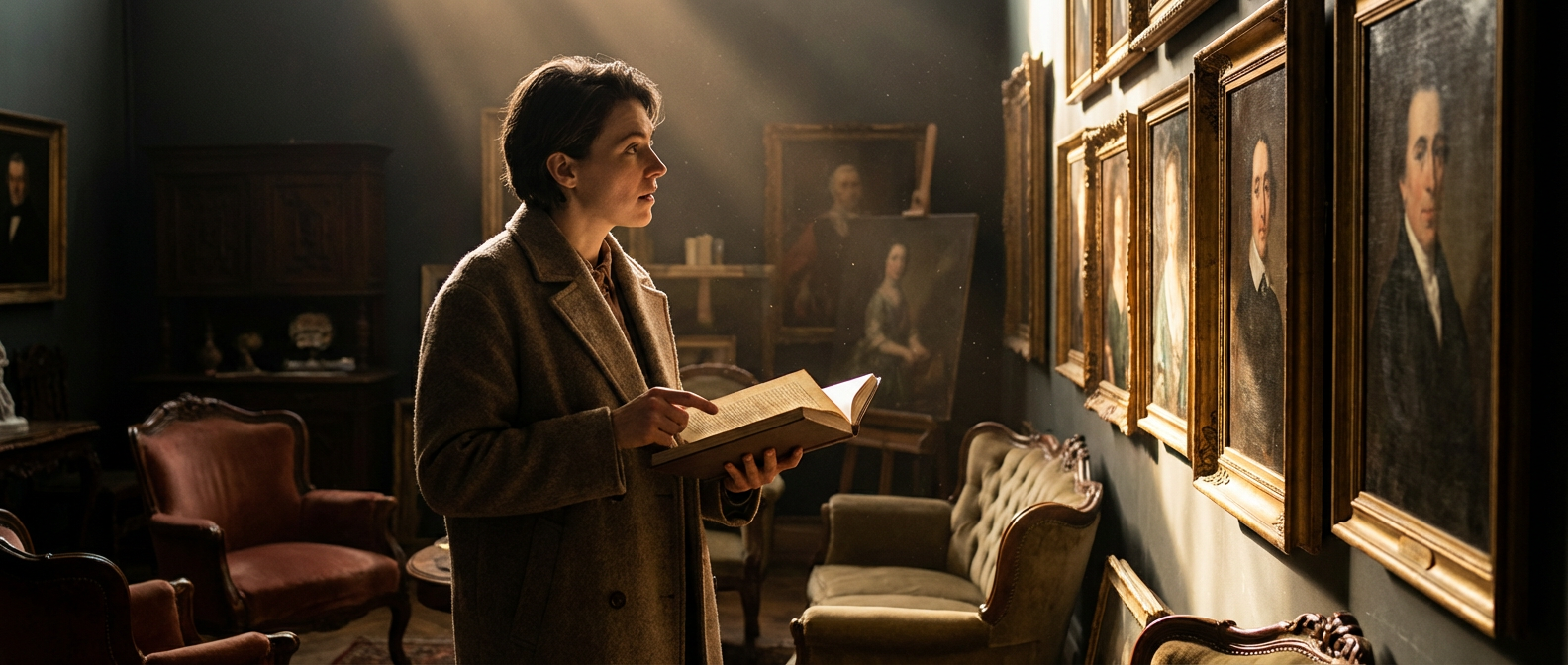
Think of the enthusiastic docent who makes you fall in love with things you didn’t know you cared about.

The practical question isn’t whether to engage with these dynamics but how. The answer depends on context, on what role you occupy relative to film festivals and independent cinema in 2026 and what your actual decision horizon is. But the first step is the same regardless: accurate understanding of what’s actually happening rather than what the most available narrative says is happening.

A few concrete observations are worth separating out from the broader analysis. First: streaming deals now offered on day one of festival screenings isn’t a temporary condition, it’s a new baseline. Second: international cinema gaining English-language audiences post-Parasite Academy wins suggests that the adjustment period isn’t over. Third, and most important: the organizations and individuals who are treating the current moment as a new steady state rather than a transition are making a categorization error that will be costly to unwind later.

The Case Against: What the Critics Get Right

Intellectual honesty requires acknowledging the strongest counterarguments, not just the weakest ones. The case against the optimistic reading of film festivals and independent cinema in 2026 isn’t trivial. There are structural vulnerabilities in the current picture that deserve direct engagement rather than dismissal.

The most serious objection is about sustainability. The A24 model of prestige indie cinema being widely imitated across studios can be read not as a foundation but as a ceiling, a point beyond which growth becomes self-limiting because of the very dynamics that produced it. If the current state has already incorporated most of the available supply of early-adopting participants, the remaining growth curve may be structurally shallower than the recent trajectory implies.

Film school applications are declining as YouTube and TikTok offer alternate paths.

Looking Forward

The trajectory here is clearer than the pace. Making predictions about when specific thresholds will be crossed is genuinely difficult, and anyone claiming precision about timelines should be treated with skepticism. But the direction, toward Sundance receiving over 17,000 submissions for the 2026 festival and continued development of the conditions described above, is supported by the evidence in a way that doesn’t depend on a single variable going right.

Film school applications declining as YouTube and TikTok offer alternate paths is the variable to watch as the leading indicator. Historical patterns suggest it moves first, with broader metrics following with some lag. This doesn’t make the outcome certain, but it makes it legible. And legibility is the precondition for good decisions.

Three questions are worth holding as the story develops. First: are the structural conditions that enabled the current state durable, or are they cyclical? Second: who is positioned to benefit from the next phase, and does that differ materially from who benefited in the current phase? Third: what would a clean falsification of the optimistic thesis look like, and is there any evidence of that signal emerging? These questions don’t need answers today, but having asked them changes what you notice in the months ahead.

The next step, for most people reading this, is a small one.

What would you add to the record of what it meant?

The Real Picture on Independent art and the economics of making work

Let’s work through what is actually happening here, step by step. The topic of independent art and the economics of making work rewards more careful attention than the typical coverage provides, and the reason is not complicated once you know where to look.

The useful question to ask at this point is this: are Bandcamp and Patreon actually allowing direct artist-to-fan economics to flourish? The honest read of the situation is also the more accurate one once you examine what the evidence actually shows.

The Craft: Setting the Terms

Artist income from streaming platforms averages under $500 per year for the bottom 90 percent. This isn’t just a sad data point, it’s the structural condition that makes everything else in this analysis make sense. Context like this doesn’t age quickly. The conditions that produced it have been building for years, and the convergence is what makes the current moment different from previous moments that looked similar from a distance.

Bandcamp and Patreon do allow direct artist-to-fan economics to flourish, for some.

The cost of studio space in major cities is pricing artists out of urban centres. Artsy contemporary art has been tracking this consistently.

What makes this moment worth examining carefully is not the novelty but the confirmation. The underlying dynamics have been visible for some time. What is new is that they have reached a threshold where ignoring them requires active effort rather than simple inattention. That threshold crossing is the event, not the underlying movement that produced it.

Artist residency programmes are growing as an alternative to the commercial gallery system, and this is part of that same picture. These elements don’t exist in separate silos. They’re reinforcing conditions in the same structural shift.

The Process Piece: The Analysis

Artist residency programmes growing as an alternative to the commercial gallery system is where the analysis gets more specific. The surface reading is accessible and not wrong, but it misses the mechanism. And the mechanism is where the practical insight lives. The useful question to ask at this point concerns NFTs: speculation collapsed but on-chain provenance tools remain useful. Understanding this changes what you do with the information.

AI image generation is creating new conversations about originality and authorship.

The skeptical counterargument deserves honest engagement: prior moments with similar surface characteristics did not produce the outcomes that seemed logical at the time. That history is real. What is different now is AI image generation creating new conversations about originality and authorship, which is not a minor variable. It’s the infrastructure condition that previous cycles lacked. Infrastructure changes tend to be persistent in ways that sentiment-driven changes are not. Hyperallergic art criticism is one source tracking this with the rigor it requires.

There is also a distributional question that often goes unaddressed in coverage of independent art economics: who captures the value created by these shifts, and who absorbs the disruption costs? The aggregate picture can be positive while the distribution is uneven in ways that matter enormously to specific participants. Keeping that distributional lens in view is part of reading the situation clearly rather than simply optimistically.

Implications: What This Means If You Care About Production techniques

The implications of independent art economics extend beyond the immediate context. Artist income from streaming platforms averaging under $500 per year for the bottom 90 percent, combined with the structural conditions described above, creates a situation where adjacent fields, decisions, and communities are affected in ways that are not always visible from inside the primary story. The second-order effects are frequently more important than the first-order ones. They’re where careful attention pays the highest returns.

Think of it like the enthusiastic docent who makes you fall in love with things you didn’t know you cared about.

The practical question is not whether to engage with these dynamics but how. The answer depends on context, on what role you occupy relative to independent art economics and what your actual decision horizon is. But the first step is the same regardless: accurate understanding of what is actually happening rather than what the most available narrative says is happening.

A few concrete observations are worth separating out from the broader analysis. First: Bandcamp and Patreon allowing direct artist-to-fan economics to flourish is not a temporary condition. It’s a new baseline. Second: NFT speculation collapsed but on-chain provenance tools remain useful, which suggests that the adjustment period is not over. Third, and most important: the organizations and individuals who are treating the current moment as a new steady state rather than a transition are making a categorization error that will be costly to unwind later.

The Case Against: What the Critics Get Right

Intellectual honesty requires acknowledging the strongest counterarguments, not just the weakest ones. The case against the optimistic reading of independent art economics is not trivial. There are structural vulnerabilities in the current picture that need direct engagement rather than dismissal.

The most serious objection is the one about sustainability. The cost of studio space in major cities pricing artists out of urban centres can be read not as a foundation but as a ceiling, a point beyond which growth becomes self-limiting because of the very dynamics that produced it. If the current state has already incorporated most of the available supply of early-adopting participants, the remaining growth curve may be structurally shallower than the recent trajectory implies.

AI image generation is creating new conversations about originality and authorship, but where does that leave human artists?

Looking Forward

The trajectory here is clearer than the pace. Making predictions about when specific thresholds will be crossed is genuinely difficult, and anyone claiming precision about timelines should be treated with skepticism. But the direction toward continued low artist income from streaming platforms and continued development of the conditions described above is supported by the evidence in a way that is not contingent on a single variable going right.

AI image generation creating new conversations about originality and authorship is the variable to watch as the leading indicator. Historical patterns suggest it moves first, with broader metrics following with some lag. This doesn’t make the outcome certain, but it makes it legible. And legibility is the precondition for good decisions.

Three questions are worth holding as the story develops. First: are the structural conditions that enabled the current state durable, or are they cyclical? Second: who is positioned to benefit from the next phase, and does that differ materially from who benefited in the current phase? Third: what would a clean falsification of the optimistic thesis look like, and is there any evidence of that signal emerging? These questions don’t need answers today, but having asked them changes what you notice in the months ahead.

The next step, for most people reading this, is a small one.

What other process stories deserve this kind of attention?

The Real Picture on Independent art and the economics of making work

Let’s work through what is actually happening here, step by step. The topic of independent art and the economics of making work rewards more careful attention than the typical coverage provides, and the reason is not complicated once you know where to look.

The useful question to ask at this point is this: are Bandcamp and Patreon actually letting artists build direct relationships with fans? The honest read of the situation is also the more accurate one once you examine what the evidence actually shows.

The Craft: Setting the Terms

Here’s a number that stops me cold: artist income from streaming platforms averages under $500 per year for the bottom 90 percent. This isn’t just a sad statistic about independent art. It’s the structural reality that makes everything else in this analysis make sense. Numbers like this don’t get stale quickly. The conditions that created them have been building for years, and their collision is what makes right now different from other moments that looked similar from far away.

Bandcamp and Patreon are letting artists bypass the streaming economy entirely.

Meanwhile, studio space costs in major cities are pushing artists out of urban centers. Artsy contemporary art has been tracking this trend consistently.

What makes this moment worth examining carefully isn’t that it’s brand new. It’s that the patterns have become impossible to ignore. The dynamics have been visible for some time. What’s new is that they’ve reached a point where pretending they don’t exist takes more energy than just paying attention. That threshold crossing is the real event, not the underlying movement that got us here.

And artist residency programs are growing as alternatives to the commercial gallery system. This is part of the same picture. These elements don’t exist in separate worlds. They’re reinforcing conditions in the same structural shift.

The Process Piece: The Analysis

Artist residency programs as alternatives to galleries is where this gets more specific. The surface reading is easy to follow and not wrong, but it misses how this actually works. The how is what matters if you want to do something useful with this information. The mechanism here is that NFT speculation collapsed but the on-chain provenance tools stuck around, and understanding that changes what you do with the information.

AI image generation is creating new conversations about originality and authorship.

The skeptical response deserves honest engagement: previous moments with similar surface characteristics didn’t produce the outcomes that seemed obvious at the time. That history is real. What’s different now is AI forcing new conversations about originality and authorship, which isn’t a minor detail. It’s the infrastructure condition that previous cycles lacked. Infrastructure changes tend to stick around in ways that mood-driven changes don’t. Hyperallergic art criticism is one source tracking this with the rigor it requires.

There’s also a question that often gets skipped in coverage of independent art economics: who actually benefits from these shifts, and who pays the costs? The big picture can look positive while the distribution is uneven in ways that matter enormously to specific people. Keeping that lens in view is part of reading the situation clearly rather than just hopefully.

Implications: What This Means If You Care About Production techniques

The effects of these changes in independent art economics reach beyond the immediate context. Artist income averaging under $500 per year from streaming, combined with the structural conditions I’ve described, creates a situation where adjacent fields and communities get affected in ways that aren’t always visible from inside the main story. The second-order effects are frequently more important than the first-order ones, and they’re where careful attention pays off.

The enthusiastic docent who makes you fall in love with things you didn’t know you cared about.

The practical question isn’t whether to engage with these dynamics but how. The answer depends on context, on what role you occupy relative to independent art economics and what your actual decision timeline is. But the first step is the same regardless: accurate understanding of what’s actually happening rather than what the most available story says is happening.

A few concrete observations are worth pulling out from the broader analysis. First: Bandcamp and Patreon enabling direct artist-to-fan economics isn’t a temporary condition. It’s a new baseline. Second: NFT speculation collapsed but on-chain provenance tools remaining useful suggests the adjustment period isn’t over. Third, and most important: organizations and individuals who are treating the current moment as a new steady state rather than a transition are making an error that will be expensive to fix later.

The Case Against: What the Critics Get Right

Intellectual honesty requires dealing with the strongest counterarguments, not just the weakest ones. The case against the optimistic reading of independent art economics isn’t trivial. There are structural vulnerabilities in the current picture that deserve direct engagement rather than dismissal.

The most serious objection is about sustainability. Rising studio costs pushing artists out of urban centers can be read not as a foundation but as a ceiling, a point beyond which growth becomes self-limiting because of the very dynamics that created it. If the current state has already absorbed most of the available early-adopting participants, the remaining growth curve may be structurally shallower than recent trajectory suggests.

AI image generation is still creating new conversations about originality and authorship.

Looking Forward

The direction here is clearer than the timing. Making predictions about when specific thresholds will be crossed is genuinely difficult, and anyone claiming precision about timelines should be viewed with skepticism. But the direction toward continued low streaming income for most artists and continued development of the conditions described above is supported by evidence in a way that doesn’t depend on a single variable going right.

AI image generation creating new conversations about originality and authorship is the variable to watch as the leading indicator. Historical patterns suggest it moves first, with broader metrics following with some lag. This doesn’t make the outcome certain, but it makes it readable, and readability is what you need for good decisions.

Three questions are worth holding as this story develops. First: are the structural conditions that enabled the current state durable, or are they cyclical? Second: who is positioned to benefit from the next phase, and does that differ materially from who benefited in the current phase? Third: what would clean evidence against the optimistic thesis look like, and is there any sign of that signal emerging? These questions don’t need answers today, but having asked them changes what you notice in the months ahead.

The next step, for most people reading this, is a small one.

What other process stories deserve this kind of attention?

The Context Restorer: Film festivals and independent cinema in 2026

Let me work through what is actually happening here, step by step. The topic of film festivals and independent cinema in 2026 deserves more careful attention than the typical coverage provides, and the reason is not complicated once you know where to look.

The useful question to ask at this point is this: viewed through the lens of contextual criticism, streaming deals are now offered on day one of festival screenings. The revealing read of the situation is also the more accurate one once you examine what the evidence actually shows.

The Criticism: Setting the Terms

Sundance received over 17,000 submissions for the 2026 festival. This isn’t just a data point in the story of film festivals and independent cinema in 2026, it’s the structural condition that makes everything else in this analysis make sense. Context like this doesn’t age quickly. The conditions that produced it have been building for years, and the convergence is what makes the current moment distinct from previous moments that looked similar from a distance.

Streaming deals are now offered on day one of festival screenings.

The A24 model of prestige indie cinema is widely imitated across studios. IndieWire film criticism has been tracking this dimension consistently.

What makes this moment worth examining carefully is not the novelty but the confirmation. The underlying dynamics have been visible for some time. What’s new is that they have reached a threshold where ignoring them requires active effort rather than simple inattention. That threshold crossing is the event, not the underlying movement that produced it.

And the documentary genre experiencing a commercial renaissance driven by streaming demand is part of that same picture. These elements don’t exist in separate silos. They’re reinforcing conditions in the same structural shift.

The Context Restorer: The Analysis

The documentary genre experiencing a commercial renaissance driven by streaming demand is where the analysis gets more specific. The surface reading is accessible and not wrong, but it misses the mechanism. The mechanism is where the practical insight lives. The useful question to ask at this point concerns the mechanism: international cinema is gaining English-language audiences post-Parasite Academy wins, and understanding it changes what you do with the information.

Film school applications are declining as YouTube and TikTok offer alternate paths.

The skeptical counterargument deserves honest engagement: prior moments with similar surface characteristics did not produce the outcomes that seemed logical at the time. That history is real. What’s different now is that film school applications are declining as YouTube and TikTok offer alternate paths. This isn’t a minor variable. It’s the infrastructure condition that previous cycles lacked. Infrastructure changes tend to be persistent in ways that sentiment-driven changes are not. Sundance Film Festival is one source tracking this dimension with the rigour it requires.

There’s also a distributional question that often goes unaddressed in coverage of film festivals and independent cinema in 2026: who captures the value created by these shifts, and who absorbs the disruption costs? The aggregate picture can be positive while the distribution is uneven in ways that matter enormously to specific participants. Keeping that distributional lens in view is part of reading the situation clearly rather than simply optimistically.

Implications: What This Means If You Care About Art History Context

The implications of film festivals and independent cinema in 2026 extend beyond the immediate context. Sundance receiving over 17,000 submissions for the 2026 festival, combined with the structural conditions described above, creates a situation where adjacent fields, decisions, and communities are affected in ways that aren’t always visible from inside the primary story. The second-order effects are frequently more important than the first-order ones, and they’re where careful attention pays the highest returns.

Think of it as the enthusiastic docent who makes you fall in love with things you didn’t know you cared about.

The practical question isn’t whether to engage with these dynamics but how. The answer depends on context, on what role you occupy relative to film festivals and independent cinema in 2026 and what your actual decision horizon is. But the first step is the same regardless: accurate understanding of what’s actually happening rather than what the most available narrative says is happening.

A few concrete observations are worth separating out from the broader analysis. First: streaming deals now offered on day one of festival screenings is not a temporary condition. It’s a new baseline. Second: international cinema gaining English-language audiences post-Parasite Academy wins suggests that the adjustment period isn’t over. Third, and most important: the organizations and individuals who are treating the current moment as a new steady state rather than a transition are making a categorization error that will be costly to unwind later.

The Case Against: What the Critics Get Right

Intellectual honesty requires acknowledging the strongest counterarguments, not just the weakest ones. The case against the optimistic reading of film festivals and independent cinema in 2026 isn’t trivial. There are structural vulnerabilities in the current picture that deserve direct engagement rather than dismissal.

The most serious objection is the one about sustainability. The A24 model of prestige indie cinema widely imitated across studios can be read not as a foundation but as a ceiling, a point beyond which growth becomes self-limiting because of the very dynamics that produced it. If the current state has already incorporated most of the available supply of early-adopting participants, the remaining growth curve may be structurally shallower than the recent trajectory implies.

Film school applications are declining as YouTube and TikTok offer alternate paths.

Looking Forward

The trajectory here is clearer than the pace. Making predictions about when specific thresholds will be crossed is genuinely difficult, and anyone claiming precision about timelines should be treated with skepticism. But the direction, toward Sundance receiving over 17,000 submissions for the 2026 festival and continued development of the conditions described above, is supported by the evidence in a way that isn’t contingent on a single variable going right.

Film school applications declining as YouTube and TikTok offer alternate paths is the variable to watch as the leading indicator. Historical patterns suggest it moves first, with broader metrics following with some lag. This doesn’t make the outcome certain, but it makes it legible. And legibility is the precondition for good decisions.

Three questions are worth holding as the story develops. First: are the structural conditions that enabled the current state durable, or are they cyclical? Second: who is positioned to benefit from the next phase, and does that differ materially from who benefited in the current phase? Third: what would a clean falsification of the optimistic thesis look like, and is there any evidence of that signal emerging? These questions don’t need answers today, but having asked them changes what you notice in the months ahead.

The next step, for most people reading this, is a small one.

What context am I missing? Add it below.

The Context Restorer: Film festivals and independent cinema in 2026

Let me walk through what’s actually happening here, step by step. Film festivals and independent cinema deserve more careful attention than most coverage gives them, and the reason isn’t complicated once you know where to look.

Here’s the key question: streaming platforms are now making deals on day one of festival screenings. That changes everything, and once you look at the evidence, it’s pretty clear why.

Setting the Terms

Sundance got over 17,000 submissions for their 2026 festival. That’s not just a number. It’s the foundation that makes everything else in this story make sense. These conditions have been building for years, and they’re finally converging in ways that feel different from anything we’ve seen before.

Streaming deals on day one of festival screenings are the new reality.

Studios everywhere are copying A24’s prestige indie model. IndieWire film criticism has been tracking this shift consistently.

What makes this moment worth examining isn’t novelty. It’s confirmation. The underlying dynamics have been visible for a while. What’s new is that they’ve reached a point where you’d have to work pretty hard to ignore them. That threshold crossing is the real event here.

And documentaries are having a commercial renaissance thanks to streaming demand. These pieces don’t exist in isolation. They’re all part of the same structural shift.

The Analysis

The documentary boom gets more interesting when you dig into the mechanics. The surface reading isn’t wrong, but it misses how this actually works. The key mechanism is that international cinema is finding English-language audiences after Parasite’s Academy wins showed it was possible.

Meanwhile, film school applications are dropping as YouTube and TikTok offer different paths into filmmaking.

I should acknowledge the skeptical view here: we’ve seen similar moments before that didn’t deliver on their promise. That history is real. What’s different now is the infrastructure change. Film school applications declining while social platforms offer alternate paths isn’t a minor shift. It’s a foundational change that previous cycles lacked. Infrastructure changes stick around in ways that sentiment-driven changes don’t. Sundance Film Festival is tracking this with the rigor it deserves.

There’s also a question that gets overlooked in most coverage: who actually benefits from these changes, and who pays the costs? The overall picture might be positive while the distribution is deeply uneven in ways that matter enormously to individual filmmakers. Keeping that in view is part of reading the situation clearly rather than just optimistically.

What This Means

The implications extend well beyond film festivals themselves. Those 17,000 Sundance submissions combined with the structural conditions I’ve described create ripple effects that touch adjacent fields and communities in ways that aren’t always obvious. The second-order effects are often more important than the first-order ones.

The practical question isn’t whether to engage with these dynamics but how. That depends on your context, your role in the industry, and your actual decision timeline. But the first step is the same regardless: understanding what’s actually happening rather than what the most convenient narrative says is happening.

A few concrete observations worth separating out. First: day-one streaming deals at festivals aren’t temporary. They’re the new baseline. Second: international cinema finding English-language audiences suggests we’re still in the adjustment period. Third, and most important: organizations and individuals treating this moment as a steady state rather than a transition are making a mistake that will be expensive to fix later.

What the Critics Get Right

Honesty requires engaging with the strongest counterarguments, not just the weak ones. The case against optimism about film festivals and independent cinema isn’t trivial. There are real vulnerabilities that deserve direct engagement.

The most serious objection is about sustainability. A24’s prestige indie model being widely imitated could be a ceiling rather than a foundation. If we’ve already captured most of the early adopters, the remaining growth curve might be much shallower than recent trajectory suggests.

Film school applications declining while YouTube and TikTok offer alternate paths.

Looking Forward

The direction is clearer than the pace. Anyone claiming precision about timelines should make you skeptical. But the movement toward more festival submissions and continued development of these conditions is supported by evidence that doesn’t depend on any single variable going right.

Declining film school applications are the variable to watch as a leading indicator. Historical patterns suggest it moves first, with broader metrics following with some lag. This doesn’t make the outcome certain, but it makes it readable. And readability is what you need for good decisions.

Three questions worth holding as this story develops. First: are the structural conditions that created this moment durable, or cyclical? Second: who benefits from the next phase, and does that differ from who benefited in the current phase? Third: what would prove the optimistic thesis wrong, and is there any evidence of that emerging? These don’t need answers today, but asking them changes what you’ll notice in the months ahead.

The next step, for most people reading this, is a small one.

What context am I missing? Add it below.