
I remember the first warehouse party I stumbled into. 2015, somewhere off the Jefferson L stop. A friend of a friend texted an address that didn’t show up on any map. You walked past a dead auto-body shop, following the bass. Inside, a kid on a borrowed mixer was throwing broken, syncopated beats at fifty people dressed like extras from a post-apocalyptic thrift store. The air was swampy. The floor—sticky. Concrete. It felt, in the truest way, like a free zone. A pocket of the city where money’s logic didn’t apply.
That building? A luxury condo now. They call it “The Edison.” Units start at $1.2 million. The auto-body shop is a Sweetgreen. This isn’t just gentrification swapping one aesthetic for another. It’s a targeted, methodical erasure of the exact conditions that let underground culture breathe. The rent is too damn high, yeah. But we’re not just losing affordable apartments. We’re losing the physical and psychic room to make art that doesn’t answer to the market.
The Arithmetic of Annihilation
Be blunt about the numbers. In New York, average commercial rent in a peripheral neighborhood—Bushwick, Ridgewood—has tripled since 2010. A raw 1,500-square-foot space that might’ve gone for $2,000 a month now commands $6,000 or more. For a DIY venue, a collective studio, an underground gallery, that’s not a hurdle. It’s a death sentence. These places run on $10 door charges, cheap beer, and volunteer hours. The whole economic model collapses the moment a landlord sniffs a chance to flip raw square footage into a “creative office” for a tech startup that’ll vanish in eighteen months.
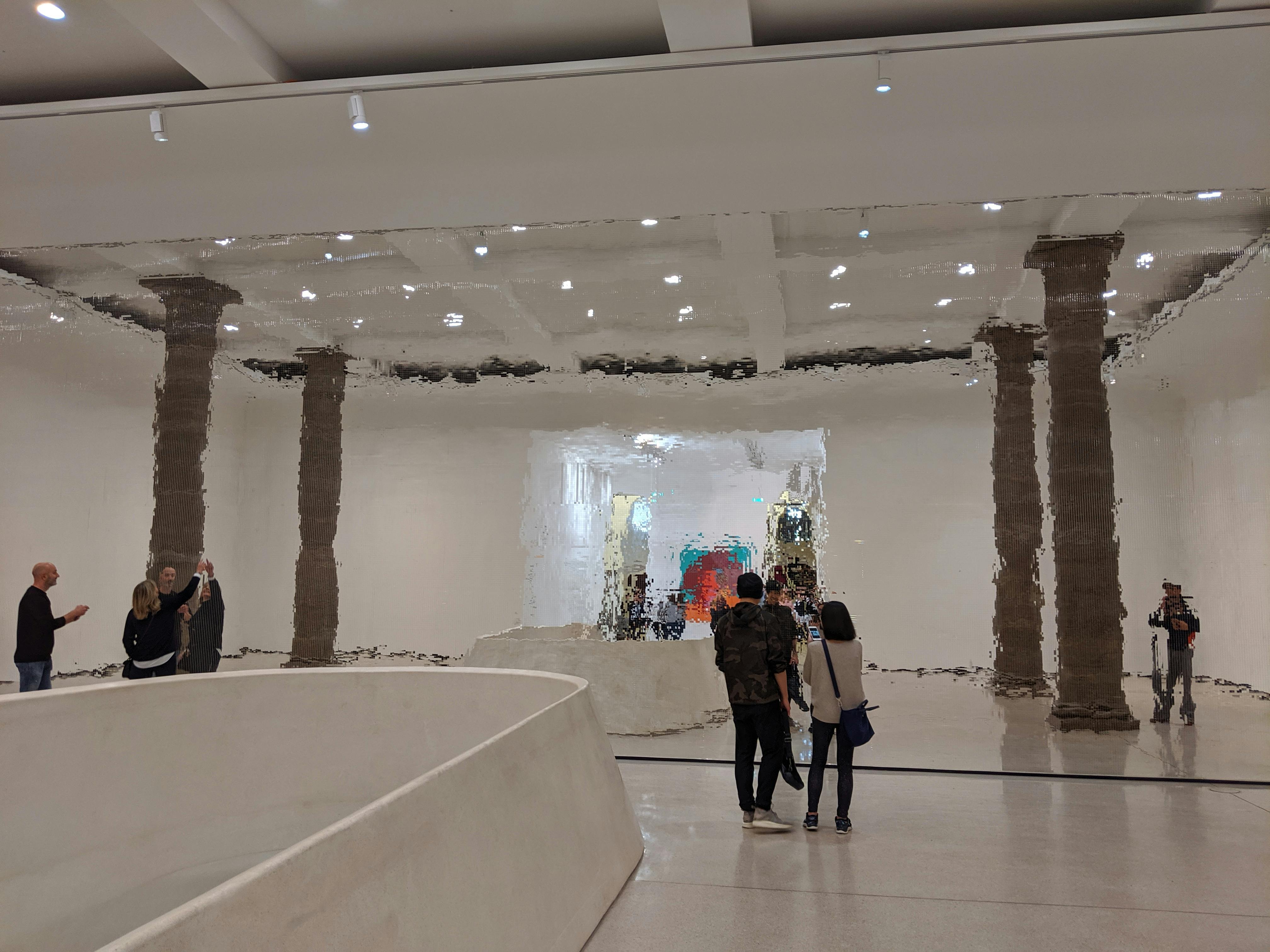
The machine is crueler than simple displacement. It’s a spatial chokehold. A neighborhood gets hot, and property owners deliberately sit on empty storefronts or lease them to high-turnover businesses that can’t grow roots. They’re not waiting for a better tenant. They’re waiting for the zoning variance, the developer buyout. Underground culture needs stability—a known basement, a back room you trust, a soundproofed loft the neighbors tolerate because it’s been there for years. Speculative real estate treats that stability like an obstacle to liquidate.
When the Rehearsal Room Becomes a Commodity
Think about what a band actually needs. Not a contract. Not a manager. Just a room. A place to make noise at 11 p.m. on a Tuesday. In the ’90s, you could find that in Manhattan’s garment district for a few hundred bucks a month. Then it shifted to Williamsburg. Then Bushwick. Now? Musicians are renting climate-controlled, corporate-run rehearsal boxes at hourly rates that rival a therapist’s fee. The music that comes out of those sterile rooms sounds like it—polished, anxious, optimized for playlist slots. Music that can’t afford to fail in private.
I’ve watched visual artists get priced out of studios, forced to work from bedrooms, scaling their ambition down to whatever fits on a desk. Sculpture, installation, large-format painting—these are real estate problems before they’re creative ones. When you can’t afford a space with a freight elevator, you stop making work that needs one. The city stops seeing art that takes up space. The conversation shrinks to whatever you can render on an iPad and post to Instagram. It’s not a conspiracy. It’s the dull, predictable outcome of a market that values every square foot for what you can extract from it, not what you might try there.
The Soundproofing of a City
There’s a sonic dimension to this loss. Cities used to have a signature noise—a leaky, chaotic blend of sound systems, street musicians, band practice spilling through open windows. That noise was the audible sign of a culture in motion, people testing ideas in real time. The city’s getting quieter now, and not in a peaceful way. It’s the hush of soundproof drywall in luxury condos, of noise complaints carrying the full weight of the NYPD, of venues forced to install expensive acoustic treatments or just shut down.
I think about the shutdown of Shea Stadium—not the ballpark, but the DIY loft in Bushwick that incubated a whole generation of Brooklyn guitar bands. It closed in 2017 after the landlord tripled the rent. The building houses a wellness startup now. The silence that replaced those shows isn’t neutral. It’s the sound of capital deciding what the city gets to hear.

This isn’t nostalgia. I’m not claiming every unlicensed warehouse was paradise. Some were dangerous. Some were run by incompetent idealists or, worse, predatory ones. But they were self-regulated communities, born because the official economy had no room for them. When they vanish, they aren’t replaced by safer, better-managed spots. They’re replaced by nothing—or by a “curated experience” at a corporate venue where a $16 cocktail buys you an evening of safe, algorithmically cleared entertainment.
The Façade of the “Creative City”
City planners and developers love to invoke the “creative class.” They commission murals on the sides of their new buildings. They stick a statement sculpture in the lobby. They name the development after the factory it replaced. This is the aesthetic of culture stripped from its material base—art as wallpaper for capital, not a disruptive force. The actual producers of culture are crashing on their friends’ couches or moving to Philadelphia. The city is actively hostile to the conditions they need to exist.
Look at the city’s labyrinth of permits and zoning. To open a legal performance space, you need a certificate of occupancy, a public assembly license, a liquor license, and enough capital to bribe—I mean, “expedite”—the process. The whole setup favors well-capitalized operators who can treat a venue as a loss leader or a real estate play. It’s not built for a collective of artists and musicians trying to build something from nothing. Rent hikes are the headline, but the fine print is a regulatory framework that makes bootstrapping illegal.
What Grows in the Margins
Underground culture isn’t just a dress rehearsal for the mainstream. It’s a distinct way of making things, with its own values: anonymity, risk, improvisation, a deep disregard for commercial viability. Those values need physical cover. Darkness. Cheap rent. A landlord who doesn’t ask questions. They need the kind of space that can’t be easily surveilled or turned into a revenue stream. When the city becomes a grid of fully optimized, transparent, expensive properties, that cover vanishes.
I’ve seen this play out elsewhere. Berlin’s club scene faces a similar extinction as property values climb and investors circle the city’s famous abandoned spaces. London’s nightlife has been gutted by the same dynamics. The pattern is global, but New York’s version feels especially vicious because the city’s identity is so tangled up with the myth of its own gritty, creative fertility. We sell the legend while paving over its foundations.
Resistance Is Spatial
So what now? The easy answers are thin. Commercial rent control surfaces as an idea periodically but never gains traction—it violates the logic of the market. Grants for artist-run spaces often come with strings that strangle the very autonomy that makes them worth anything. The problem is structural, and the solutions have to be as inventive as the culture we’re trying to keep alive.
One model: the community land trust. A nonprofit owns the land, leasing it to cultural spaces in perpetuity, yanking the property off the speculative market. Another: the resurgence of genuinely illegal, mobile, temporary spaces—the rave in the woods, the show in an unmarked basement, the gallery in the back of a truck. These aren’t ideal. But they’re a direct answer to an environment that’s made legal, stable spaces impossible. The most radical act right now might be to just refuse to participate in the formal economy of culture—to stop chasing legitimacy, funding, exposure, and instead build a parallel infrastructure on the city’s edges, in its forgotten industrial zones and hidden basements.
Frequently Asked Questions
Why don’t underground venues just become legal to avoid shutdowns?
Going legal requires immense capital—permits, renovations, inspections, often a liquor license that can hit six figures. Most DIY spaces run on razor-thin margins and volunteer sweat. The legal path isn’t viable without fundamentally turning the space into a commercial enterprise, which would kill its purpose as a non-commercial, community-driven zone.
Doesn’t gentrification bring benefits like safer streets and better services?
Safety and better services are good. They just shouldn’t depend on pushing out existing cultural communities. The issue is that these improvements often get used as a justification for extraction, not a shared benefit. Safer streets don’t require silencing musicians or turning every warehouse into a luxury loft. That’s a choice driven by profit, not public good.
What can an individual do to support underground culture right now?
Go to shows. Pay the cover without griping. Buy the cheap beer, the zine. Offer your skills—sound, door, legal advice—for free or cheap. And defend the spaces. Don’t call the cops on your neighbor’s band practice; go talk to them. The survival of underground culture depends on a social fabric of tolerance and mutual aid, not just cash.
We’re at a point where the city’s cultural output is becoming a mirror of its real estate: glossy, frictionless, fundamentally uninhabited. The rent hikes aren’t just reshuffling the address book of artists. They’re foreclosing on the future of anything rough, strange, or unsanctioned. I’m not optimistic, but I’m clear-eyed. The floor is being sold out from under us. The only response is to keep dancing on it until it’s gone.