The Myth That Keeps Us Coming Back
Every September, the art world descends on New York like locusts on a harvest field. Gallery openings. Studio visits. The performance of caring. I have watched this machinery turn for over a decade, and I am here to say what many whisper in kitchens and bar bathrooms but never commit to print: the New York gallery system is broken. Not struggling. Not evolving. Broken the way a bone heals wrong and you learn to walk on it anyway, limping and calling it character.

New York sells itself as the unrivaled capital of contemporary art. This identity rests on a foundation of assumptions: that the best work rises here, that the market rewards merit, that the city’s density of galleries creates a democratic ecosystem. None of these assumptions survive honest inspection. The system does not identify talent. It identifies profitability. Those are not the same thing, and pretending they are has consequences for every artist who does not fit the mold.
Gatekeeping Dressed Up As Curation
Let us start with the most obvious wound. Gallery representation in New York operates on relationships, not portfolios. An MFA from Yale or Columbia opens doors. A studio visit from the right curator generates buzz. A collector who already buys from Gagosian or Hauser & Wirth vouching for you? That is worth more than ten years of rigorous practice. The system rewards proximity to power, and power in the New York art world remains concentrated in remarkably few hands.
I have watched galleries claim they are “discovering” artists who have been working in Brooklyn for fifteen years. Discovery implies something was hidden. These artists were never hidden. They were ignored because no one with the right surname or institutional backing bothered to look. Curation has become a polite word for filtering out anyone who did not arrive through the approved channels.
The MFA Pipeline Problem
Art schools function as feeder programs for the gallery system. This would be less damaging if those programs enrolled diverse cohorts. They do not. According to data from the National Association of Schools of Art and Design, structural barriers in arts education continue to limit access for artists from underrepresented backgrounds. The result: galleries select from a pre-filtered pool that already excludes the people most likely to challenge the system’s assumptions.
When a gallery director says they cannot “find” qualified Black or Brown artists, what they mean is they cannot find them inside the network they refuse to expand. The talent exists. The willingness to look outside familiar circles does not.

Money Talks, Art Walks
The economics of running a gallery in New York are punishing. Rents in Chelsea, the Lower East Side, and Tribeca have quadrupled in the last twenty years. Mid-tier galleries close or consolidate. Small galleries operate on margins so thin that one bad season means extinction. This financial pressure produces conservative programming. Galleries bet on artists whose work will sell quickly and at high price points. Experimental work, difficult work, work that asks uncomfortable questions â that work gets shelved.
Collectors drive this dynamic. When a gallerist depends on five or six major collectors to stay afloat, those collectors effectively determine what hangs on the walls. I have spoken with dealers who admit, off the record, that they passed on artists they believed in because their top buyers would not support the work. This is not a market. It is a patronage system wearing a market’s clothing.
The Consolidation Problem
Mega-galleries swallow mid-tier spaces. Gagosian, Hauser & Wirth, Pace, David Zwirner â these operations function like multinational corporations. They represent dozens of artists across multiple continents. Their scale allows them to absorb losses that would kill a smaller gallery. What they cannot do is provide the kind of sustained, personal attention that builds careers over decades. The mid-tier gallery, which once served as the connective tissue between emerging artists and serious collectors, is vanishing. And with it goes any meaningful pathway for artists who do not arrive already famous.
The Diversity Illusion
Every June, galleries drape themselves in rainbow flags. Every February, they post about Black History Month. These gestures earn press coverage and social media engagement. They rarely produce lasting change in who gets represented, shown, and sold.
The 2019 Burns Halperin report revealed that work by Black American artists accounted for just 2.6 percent of acquisitions at U.S. museums between 2008 and 2018. Gallery representation figures are similarly grim. When galleries do take on artists of color, those artists are often expected to produce work that performs their identity for a white gaze. I have heard curators ask Black artists to make their work “more Black.” I have watched galleries pressure Latinx artists into visual shorthand â iconography that signals ethnicity without demanding interpretation. This is not representation. It is packaging.
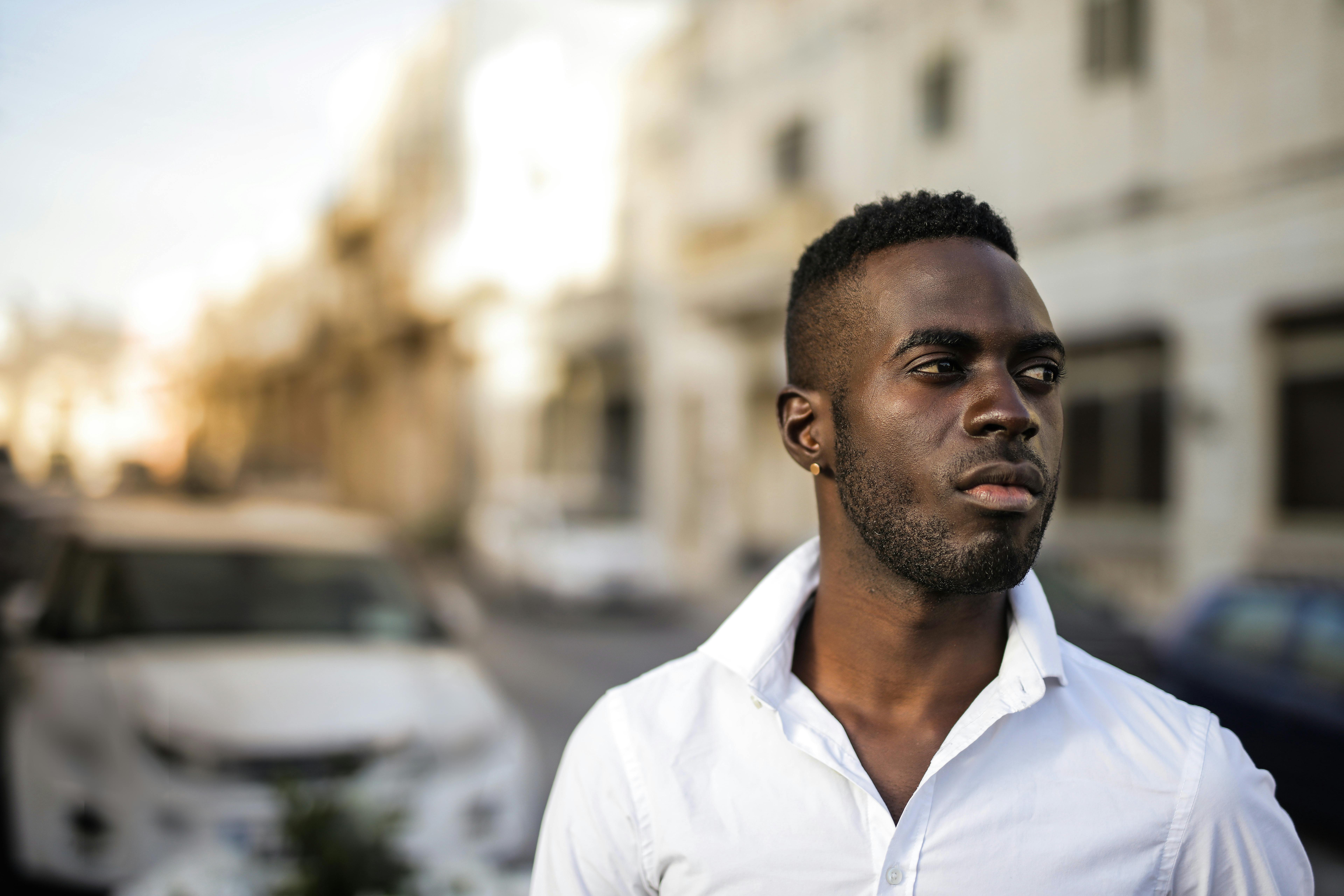
True diversity means shifting power, not adding faces to a roster. It means artists of color directing programs, owning galleries, setting prices, deciding what gets shown and why. Until that shift happens, every diversity initiative is theater performed for an audience that has already bought its tickets.
Geography of Exclusion
New York galleries cluster in specific neighborhoods for a reason. Chelsea offers proximity to the High Line and Hudson Yards. The Lower East Side trades on grit-as-lifestyle-brand. Tribeca signals money without the Midtown glitz. These neighborhoods are expensive. The audiences who can casually visit galleries in these areas are wealthy, white, and already initiated into the art world’s rituals.
Artists working in the Bronx, in East New York, in Flatbush â they produce work that rarely travels to Chelsea unless a gallerist decides it fits this season’s theme. The geographic concentration of galleries mirrors the geographic segregation of the city itself. When we talk about accessibility in the art world, we need to talk about more than wheelchair ramps and ASL interpreters. We need to talk about who can physically enter a space without feeling surveilled, who recognizes themselves in the work on the walls, who is told through a thousand small signals that this place is not for them.
What Comes Next
I am not interested in reform that leaves the power structure intact. Adding a few seats at a table someone else built does not constitute justice. Here is what I want:
Artist-run spaces that operate outside the commercial model. We have precedents. Artist-run cooperatives and collectives existed long before the contemporary gallery system consolidated its grip. They can exist again, and they must, because waiting for established galleries to voluntarily share power is a strategy that has failed repeatedly.
Decentralized exhibition models. Why must the work always travel to Chelsea? Why not build audiences where artists live and work? Digital platforms can supplement physical presence, but they cannot replace it. We need physical spaces in underserved neighborhoods, funded through models that do not require sales to wealthy collectors to survive.
Transparency in pricing and representation. Galleries should publish their representation demographics. Collectors should disclose what they pay. The opacity of the current system protects those who benefit from it and punishes everyone else.
An end to the MFA prerequisite. Talent is not concentrated in degree-granting programs. The insistence on credentialed artists excludes voices that the system was never designed to accommodate.
None of these changes will come easily. The people who profit from the current arrangement will resist. But the current arrangement is a machine that grinds artists into debt, obscurity, and cynicism. Something has to break, and I would rather it be the system than another generation of artists.
Frequently Asked Questions
Is the gallery system really broken, or is it just hard to break into?
Every industry has barriers to entry. The difference here is that the art world claims to value originality, provocation, and dissent while structurally punishing those very qualities. A system that celebrates conceptual risk but penalizes social and economic risk is not functioning as intended. It is functioning as a gatekeeping mechanism that preserves existing power.
What about galleries that are genuinely trying to diversify?
Some galleries are making sincere efforts. Those efforts deserve acknowledgment. But acknowledgment is not the same as absolution. A gallery that adds two artists of color to a roster of twenty has not solved systemic exclusion; it has marginally adjusted its statistics. The question is not whether individual gallerists have good intentions. The question is whether the system’s fundamental incentive structure rewards equity. Right now, it does not.
Are you suggesting artists should boycott commercial galleries entirely?
No. Artists need to live. Commercial galleries, when they function well, connect artists with audiences and provide financial sustainability. What I am arguing for is a model where commercial representation is one option among many, not the only option that carries legitimacy. Right now, gallery representation functions as the primary validator of an artist’s career. That monopoly on legitimacy has to end. Artists should have multiple viable paths â commercial, cooperative, institutional, community-based â and no single path should carry disproportionate weight in determining whose work gets seen.